Final Model

Posted Leave a comment

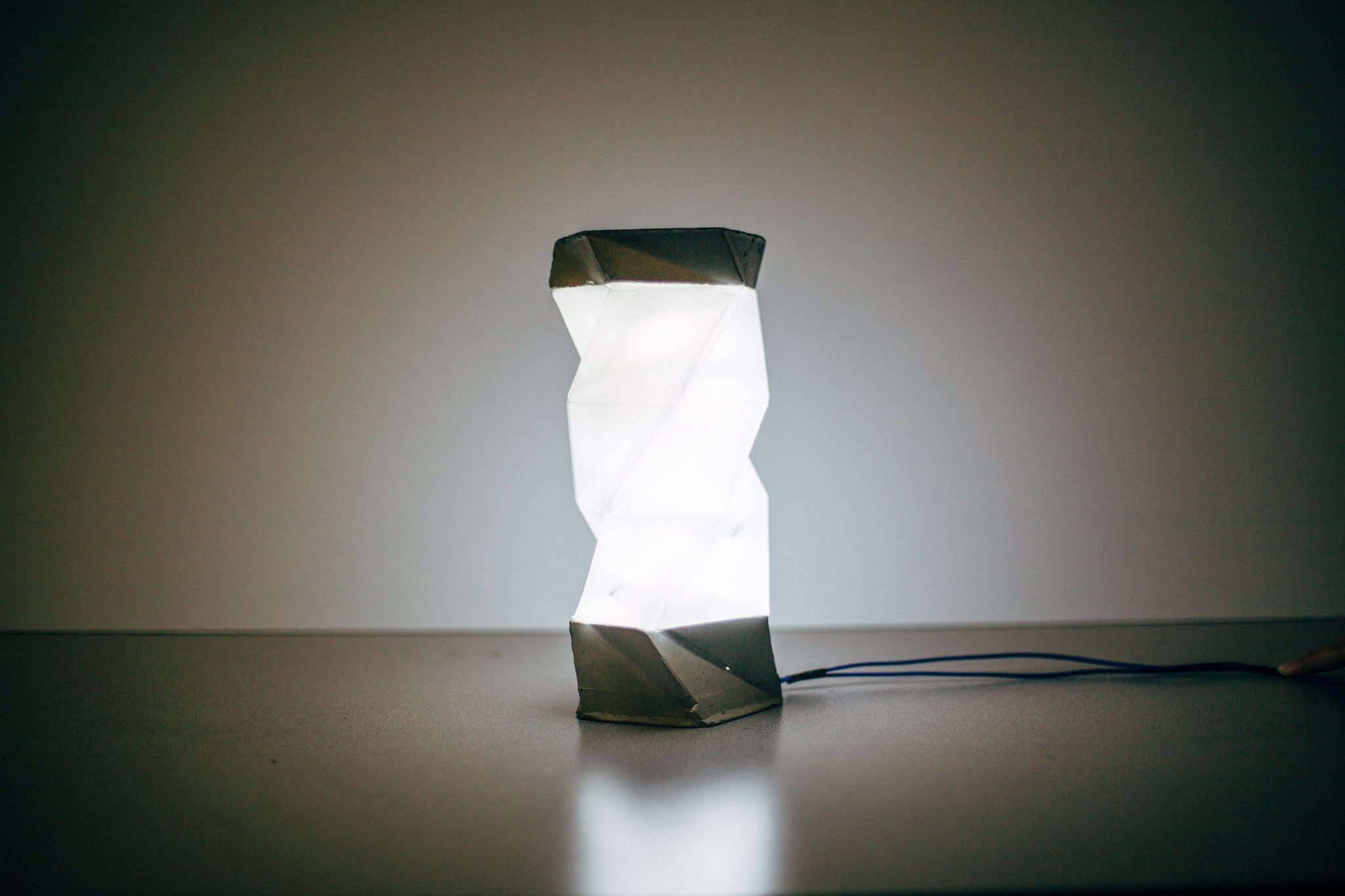
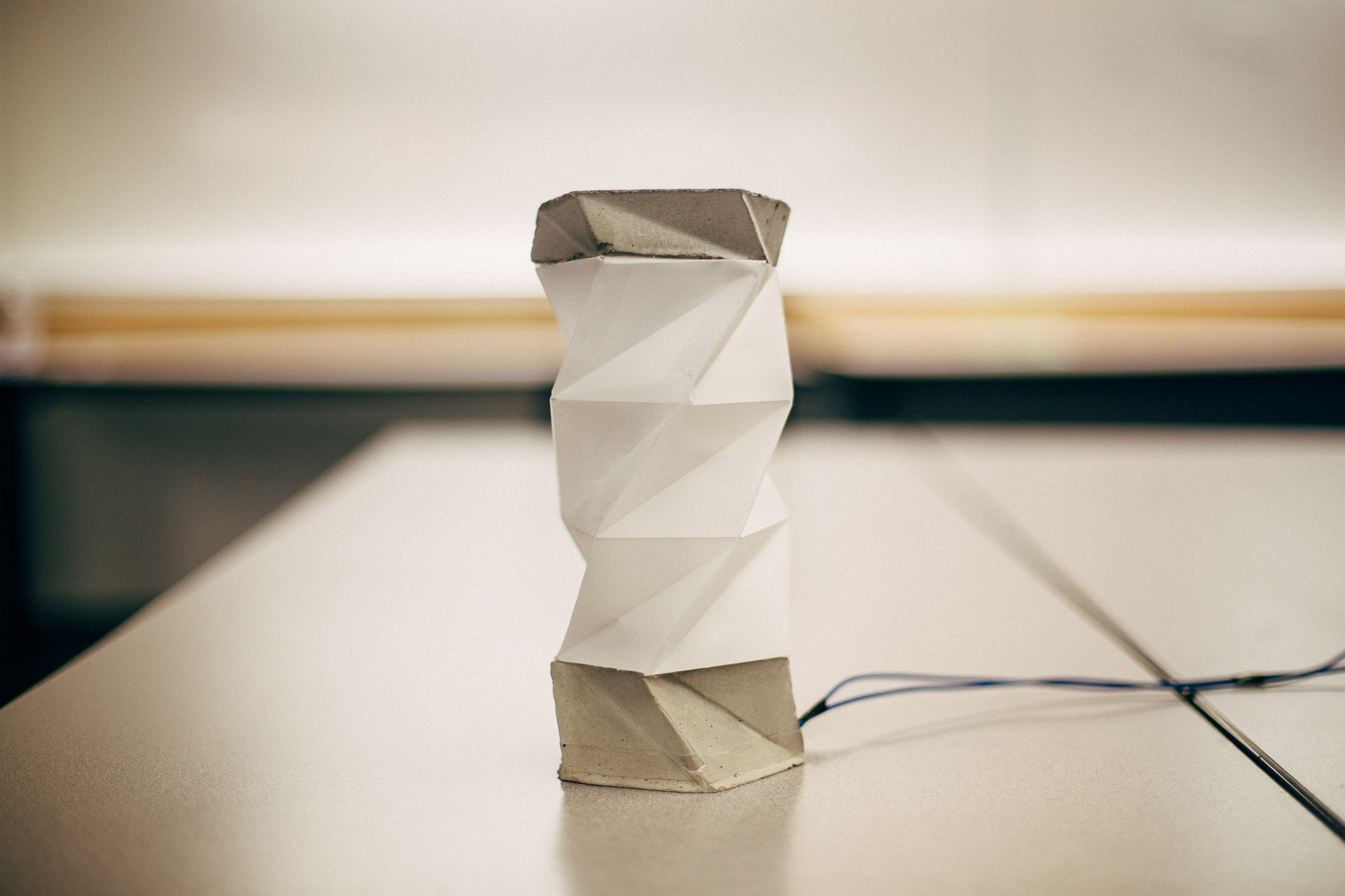
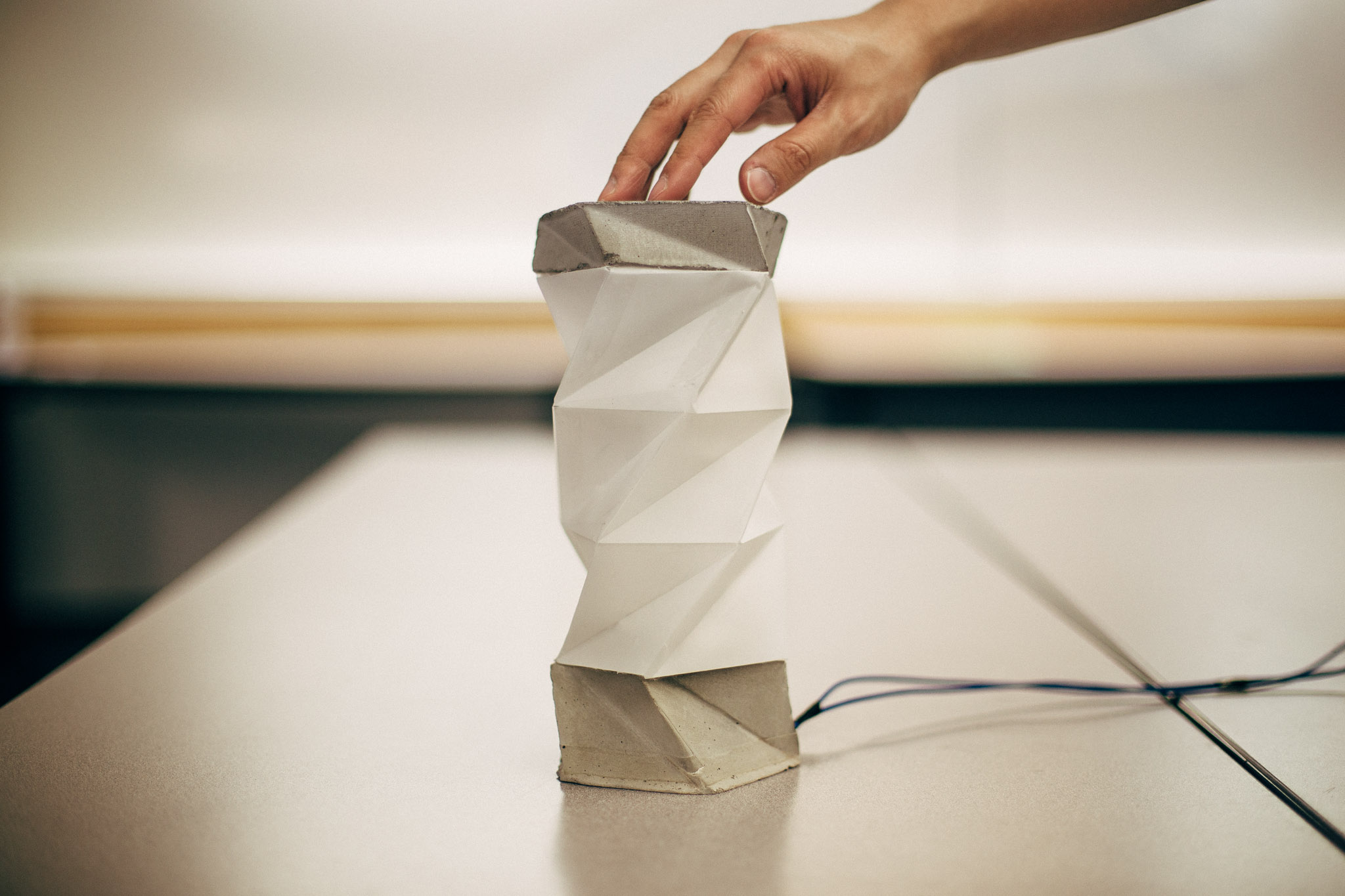
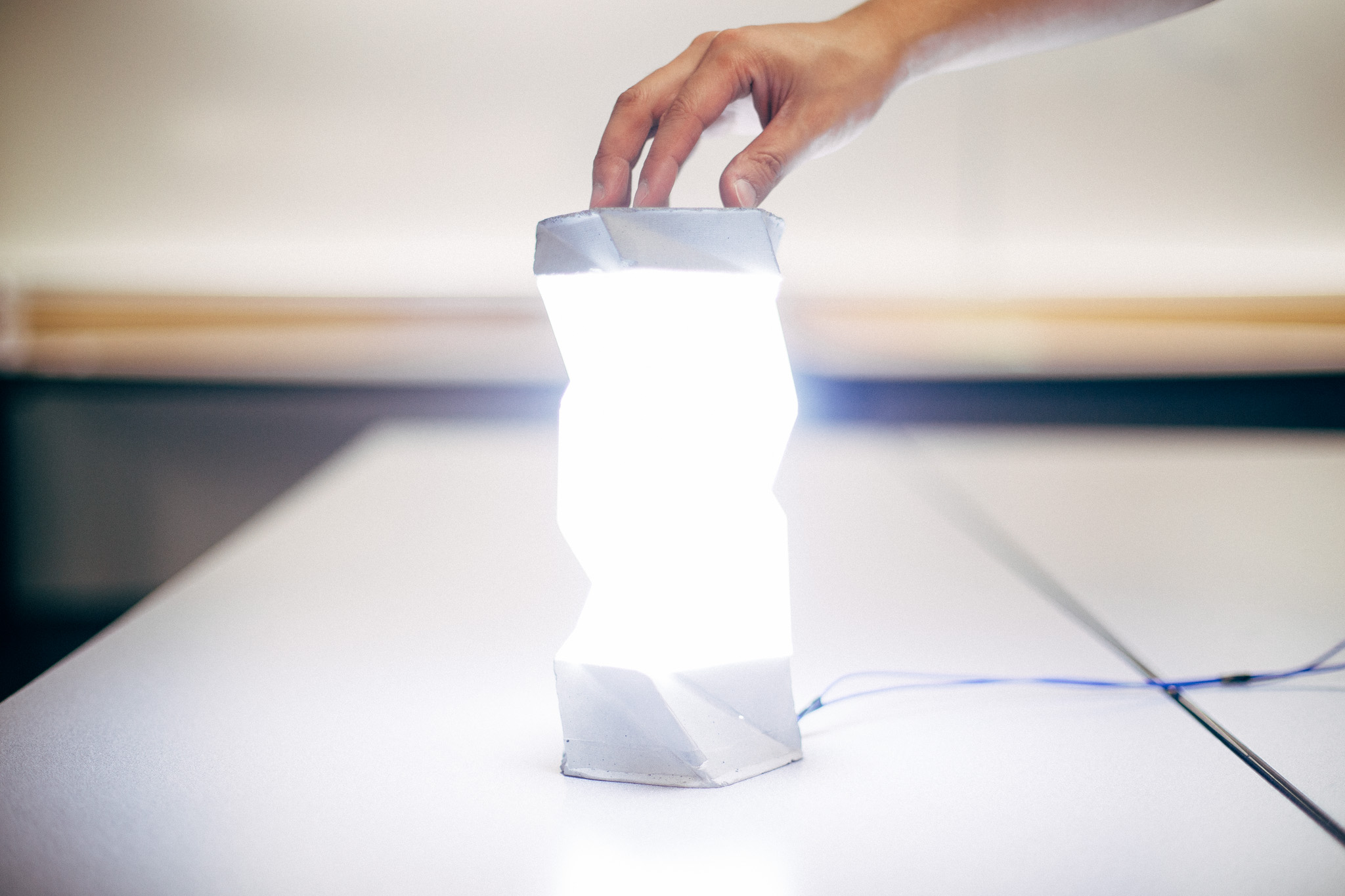
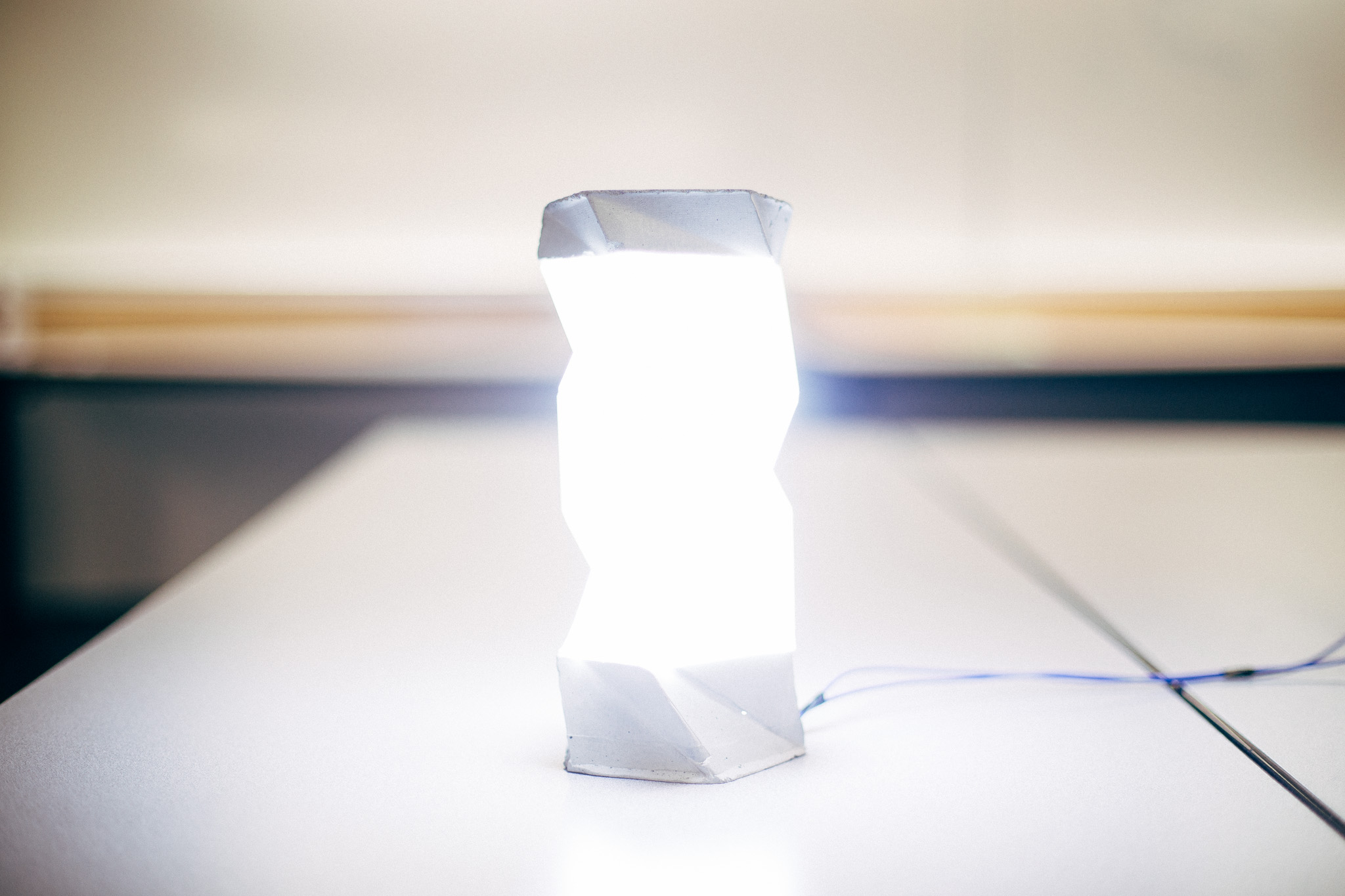
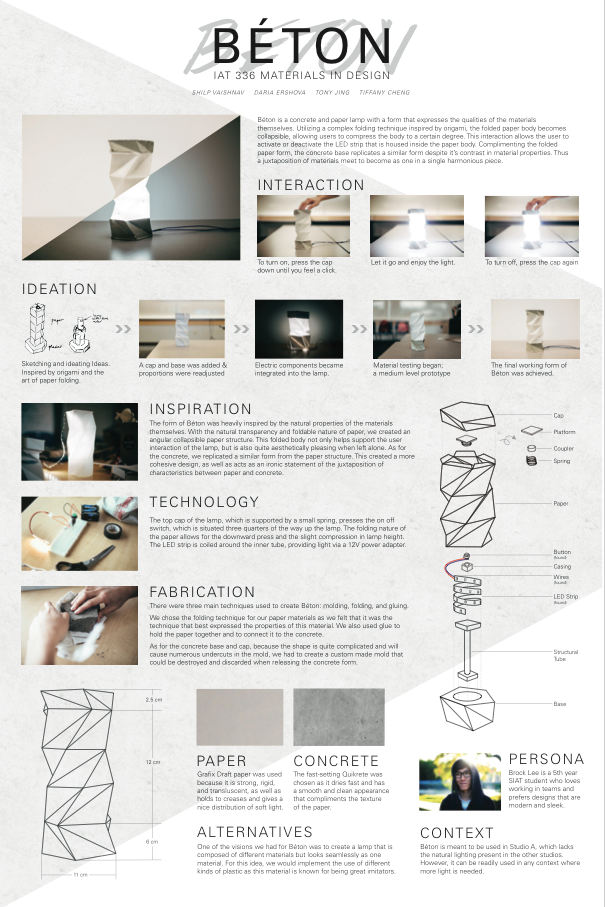
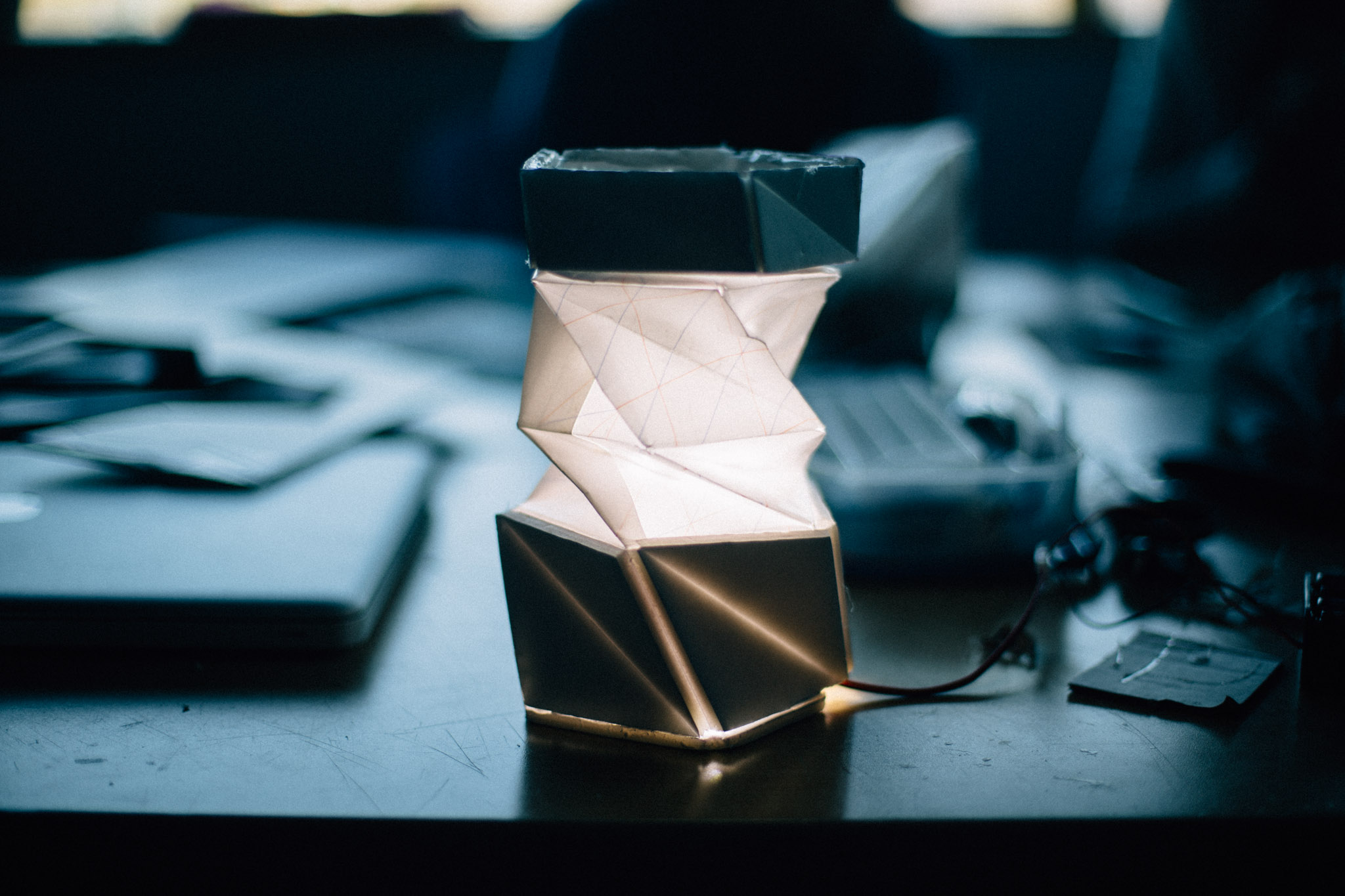
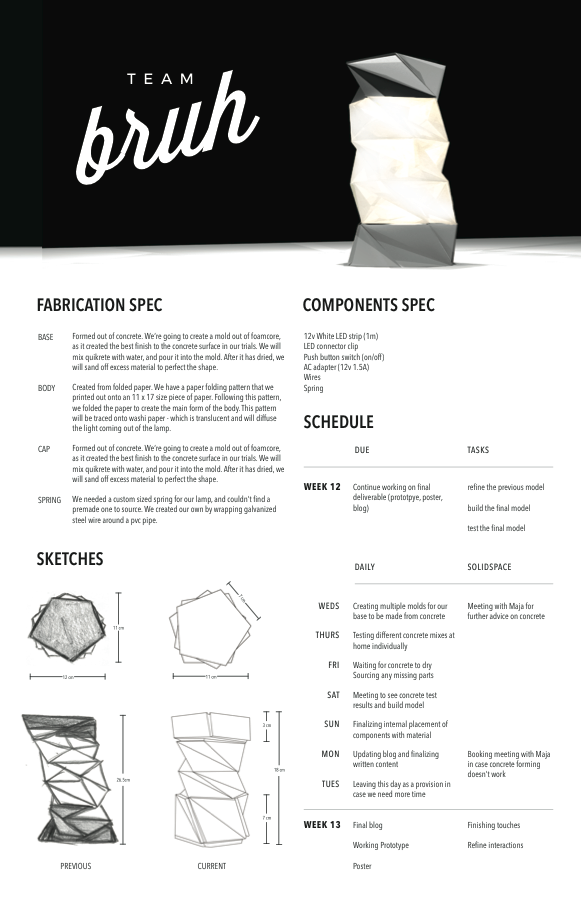
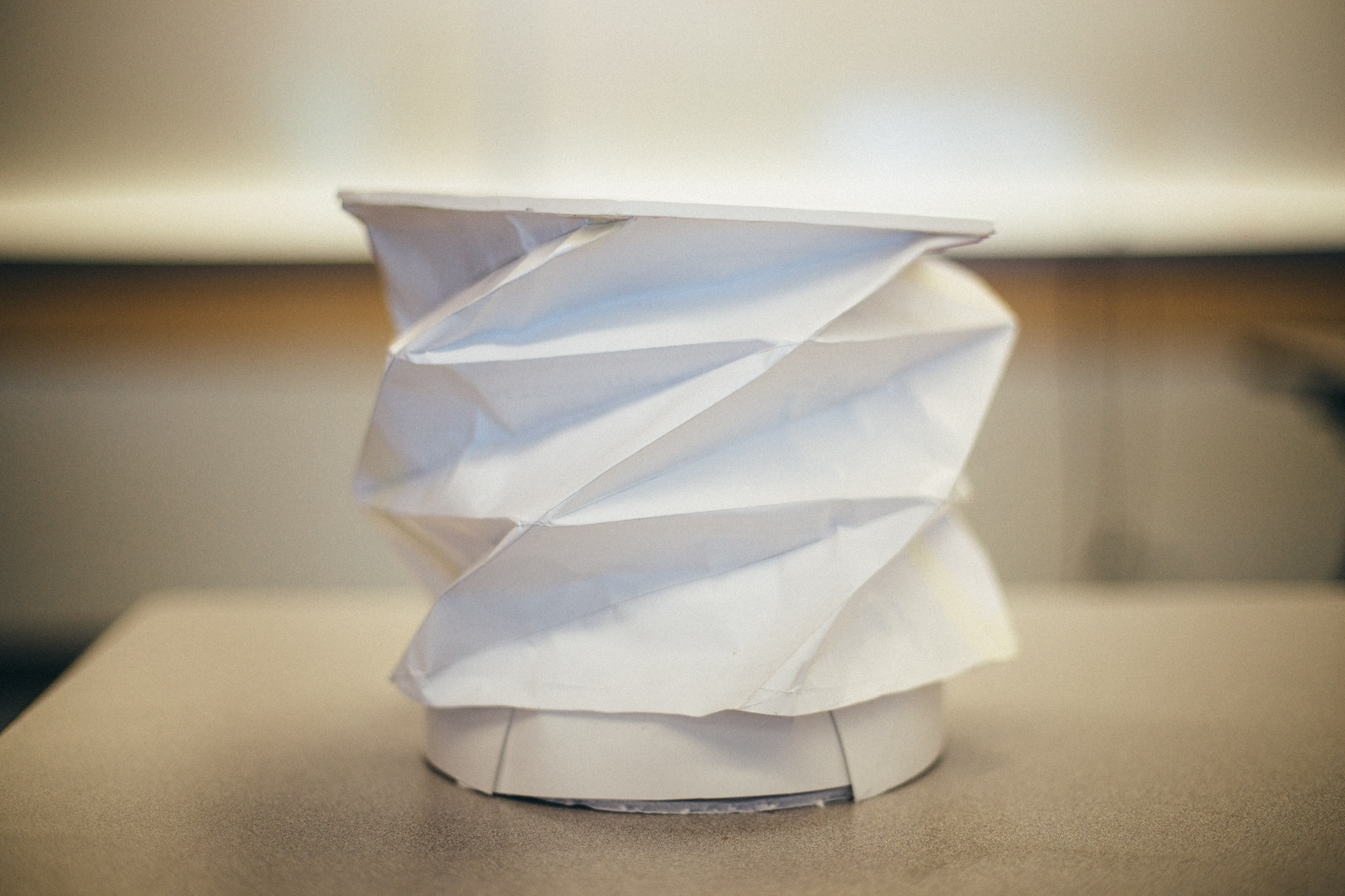
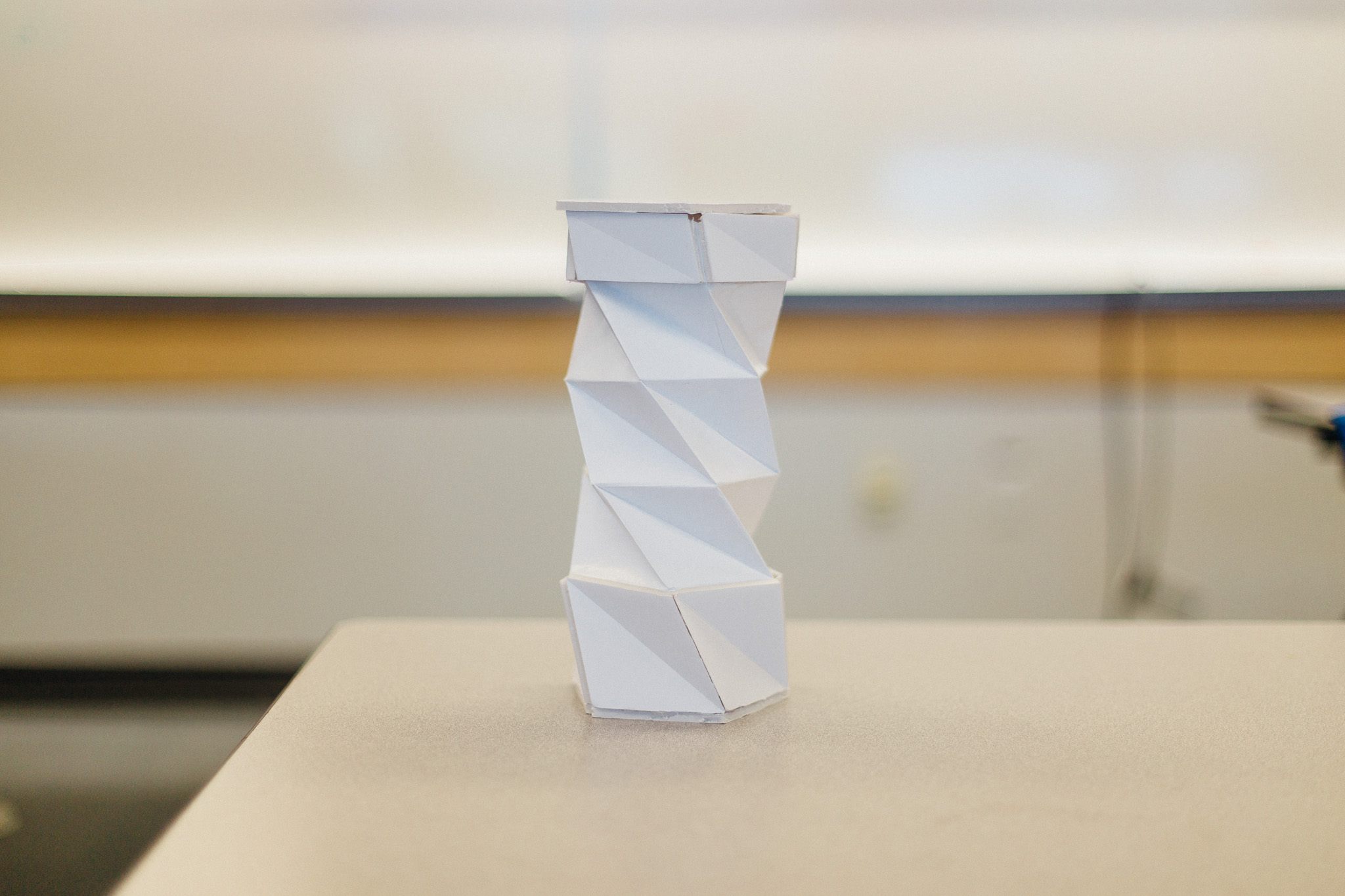
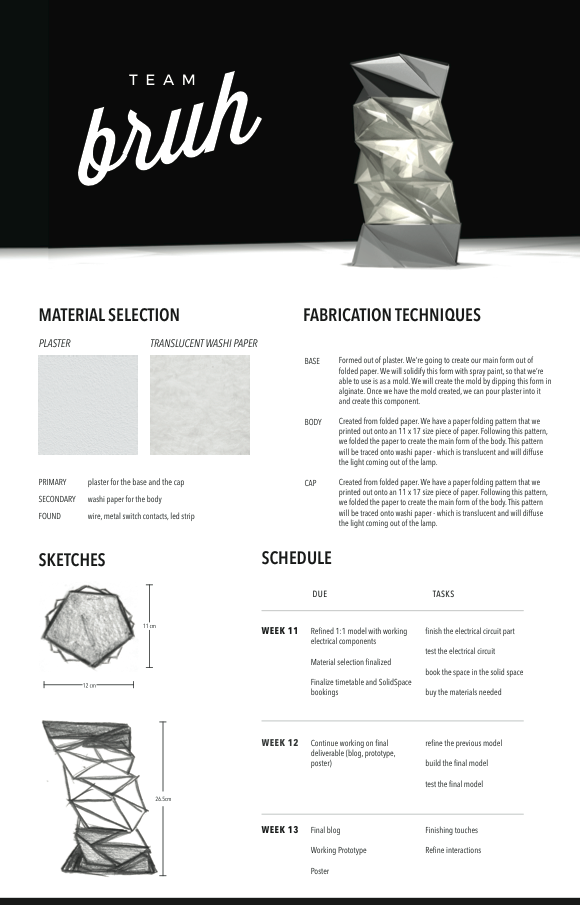
After many weeks of iteration, setbacks, and ideation, we have finally created our final design!


blogphotos-033

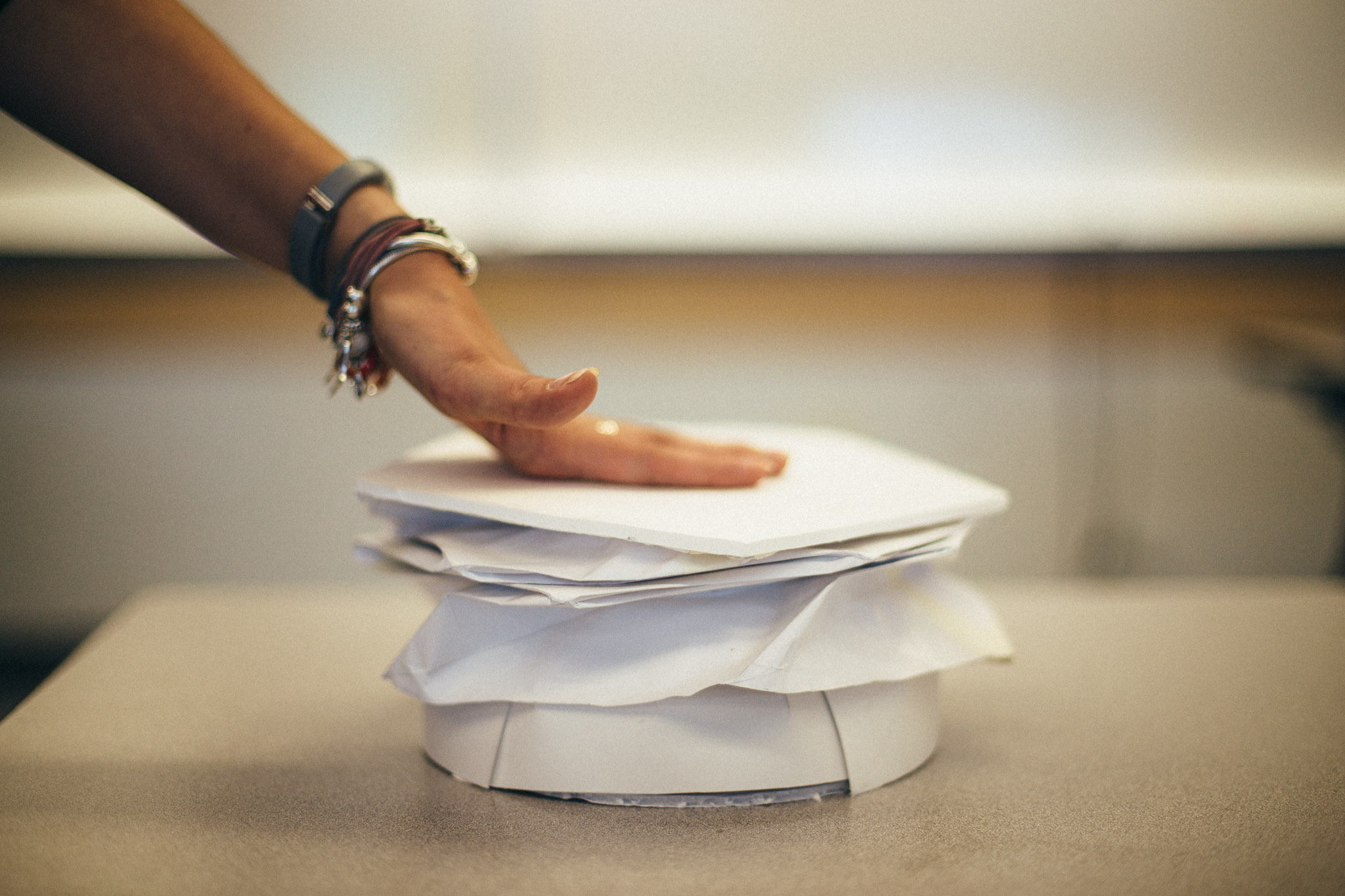
The lamp is turned on and off by slightly pressing the top, and compressing it

blogphotos-029 blogphotos-030 blogphotos-031 blogphotos-032


The final iteration of our model has the compression of the lamp limited to a few centimeters – rather than folding the entire lamp. This was due to limitations with our materials. We eventually suspended the switch on a structure 3/4th of the way up the lamp

blogphotos-036

Screen Shot 2015-08-04 at 1.38.52 PM

Material Trials

Posted Leave a comment

After creating the paper prototype with working electronics, the next step was to work with the actual materials that we had to design our lamp with.

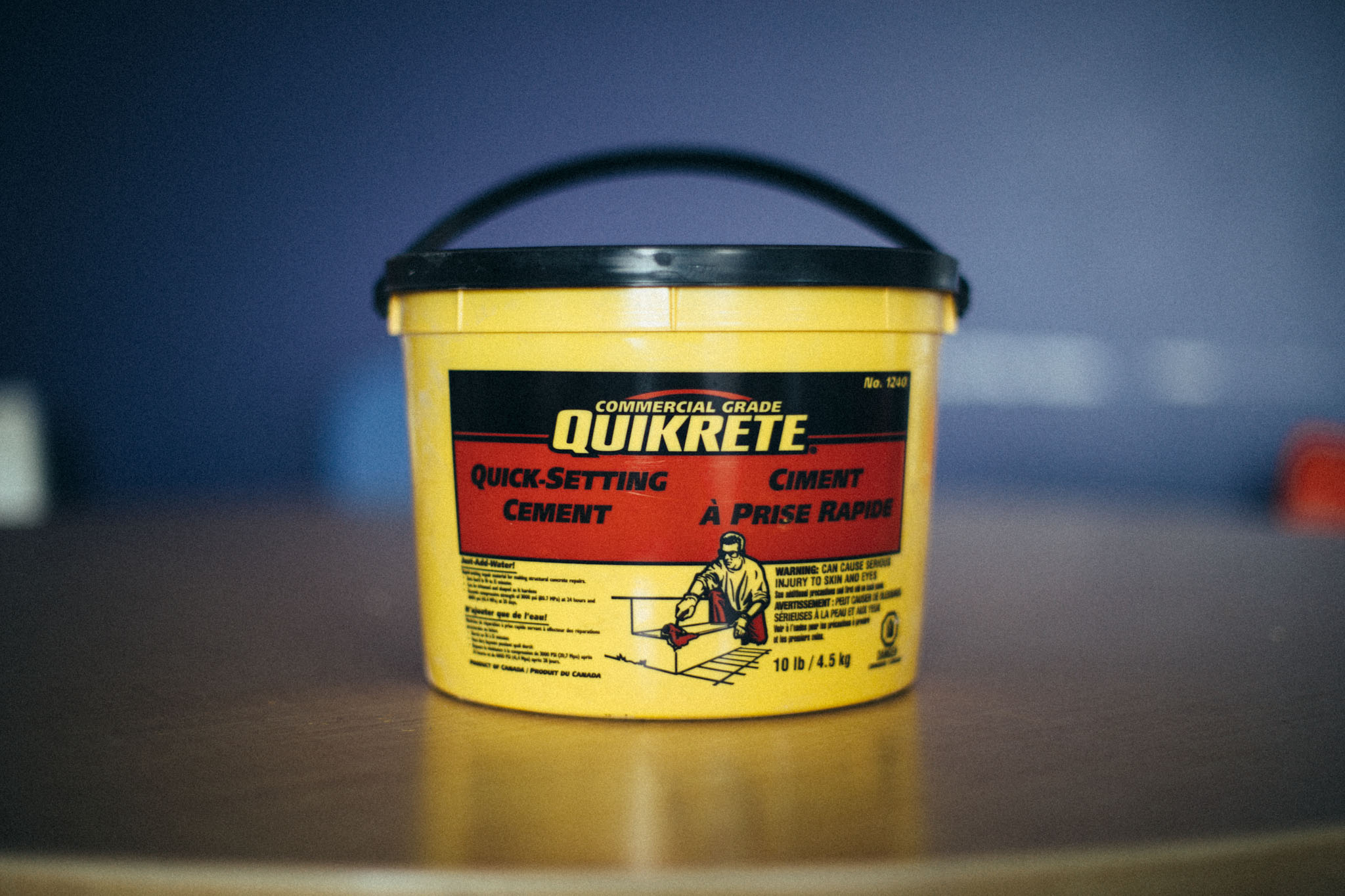
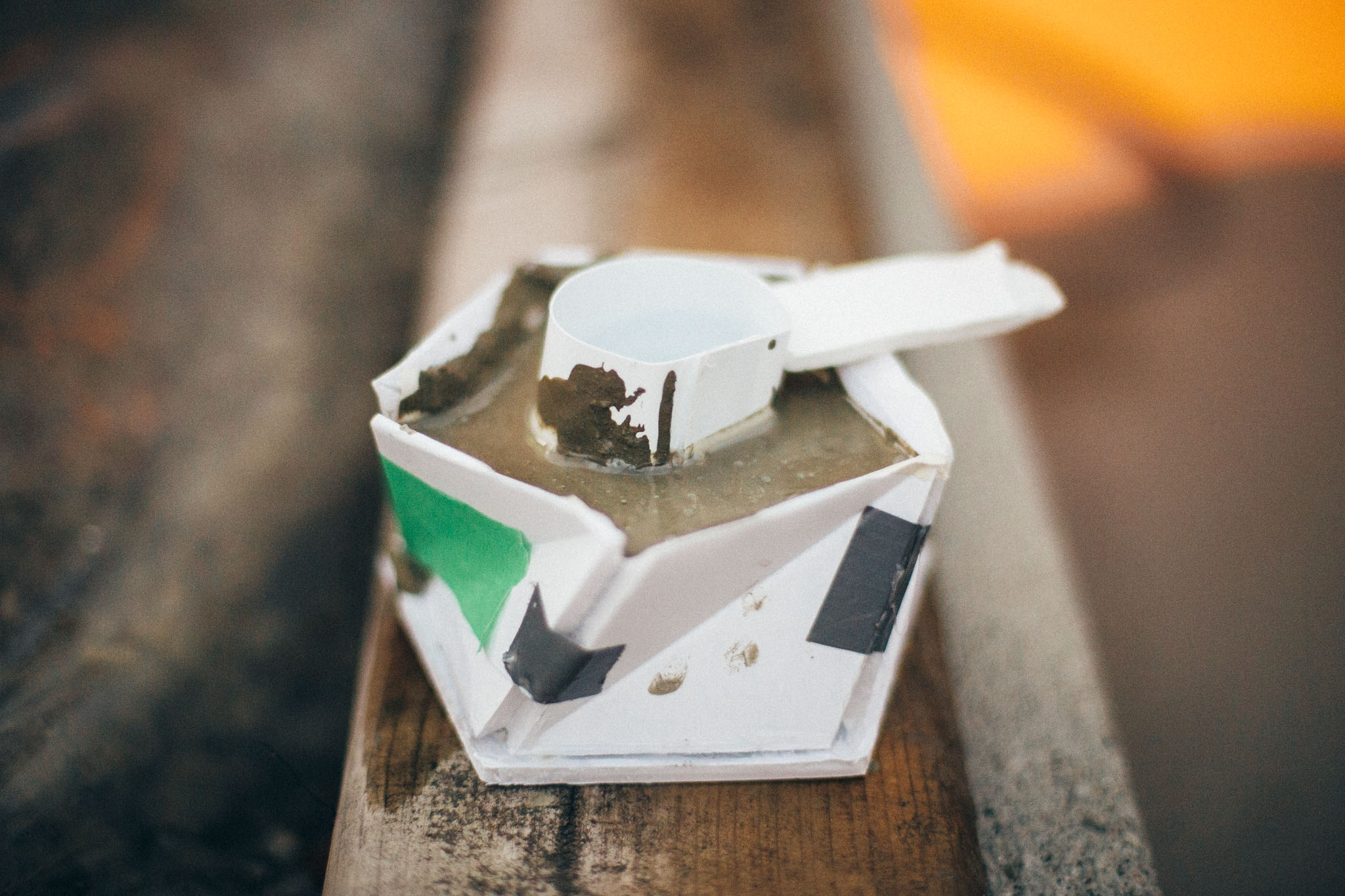
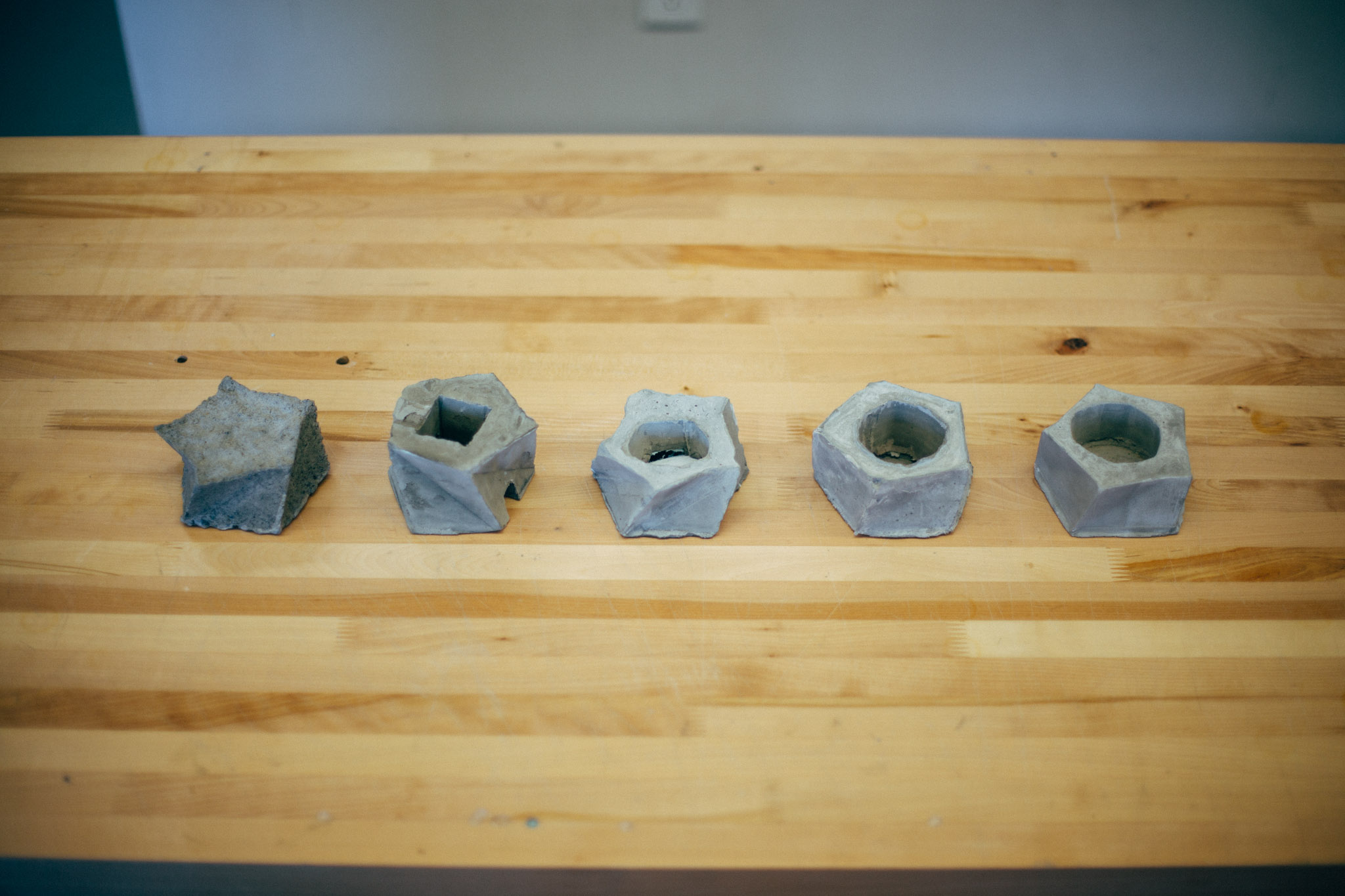
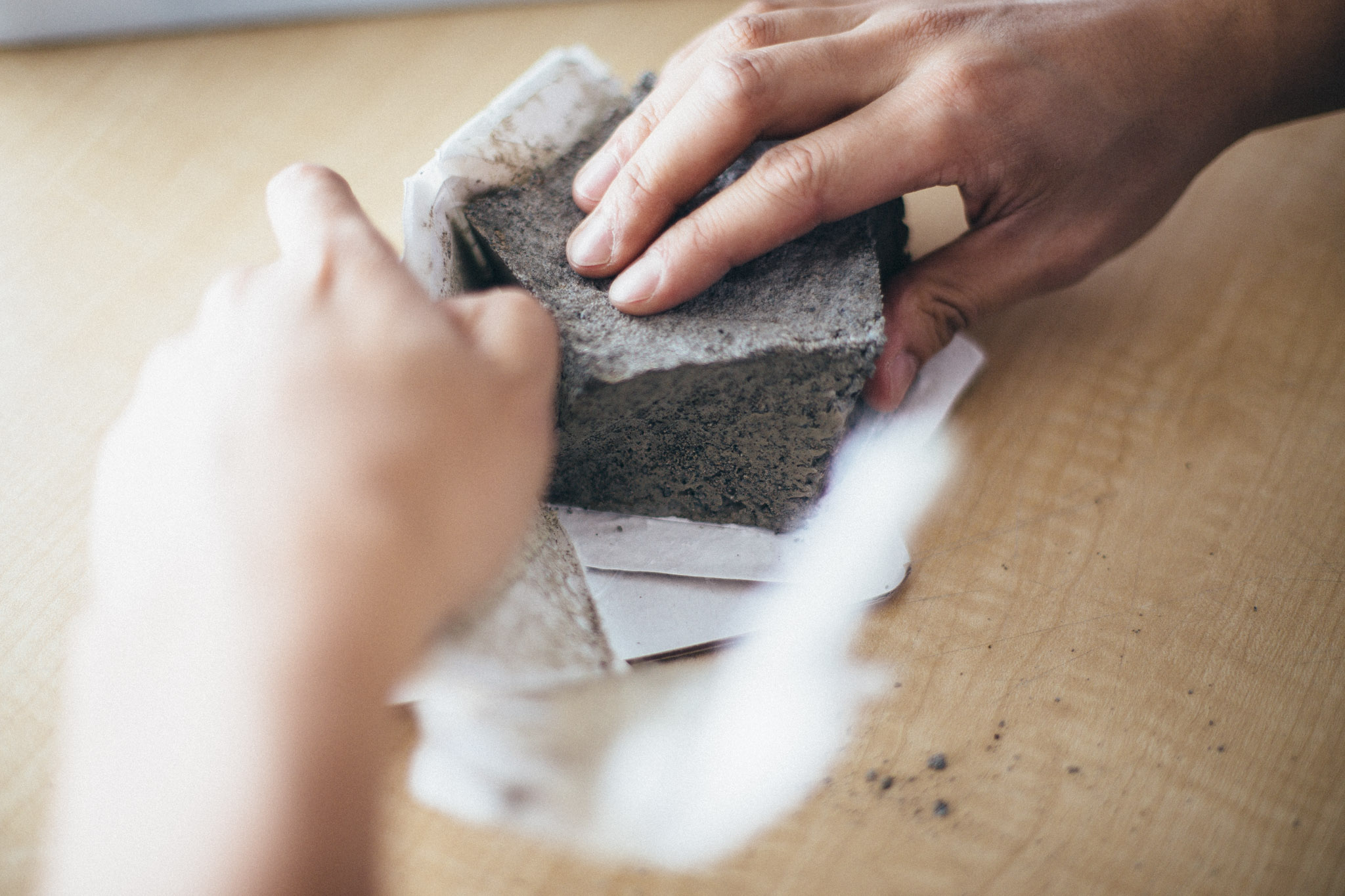
None of us had ever worked with concrete before (we also kept mixing up ‘concrete’ and ‘cement’ – but now we know better), so having to design a lamp with this material was a daunting task. Due to this, we conducted a handful of tests and experiments to see how to work with this material. We acquired Quikrete Fast Setting Concrete mix and began creating some moulds. We met with Maja – the SolidSpace coordinator – and based off of her advice started to form some concrete.

blogphotos-005

Our initial test taught us how different amount of mix vs water would affect the strength of the concrete.

blogphotos-008

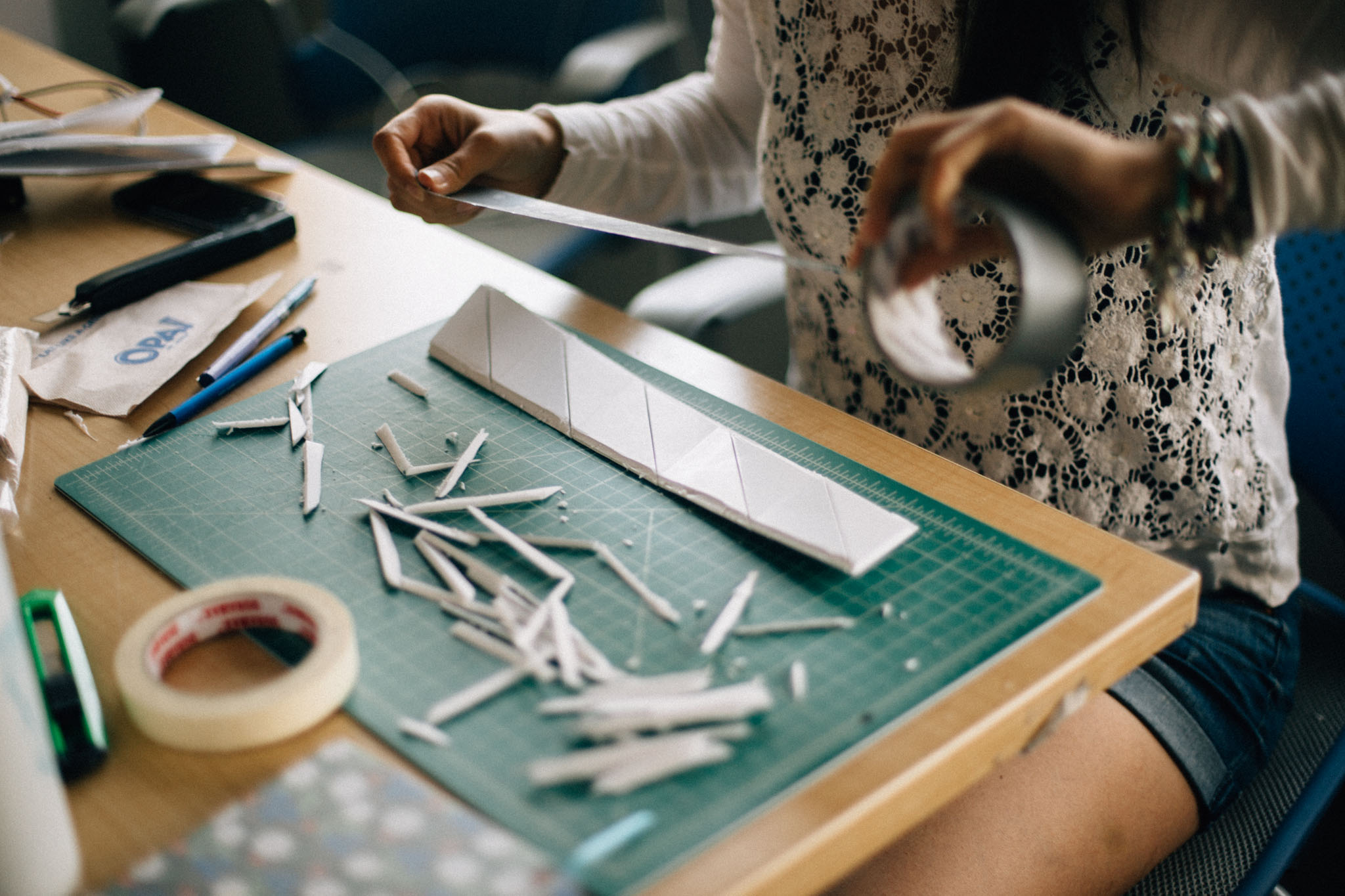
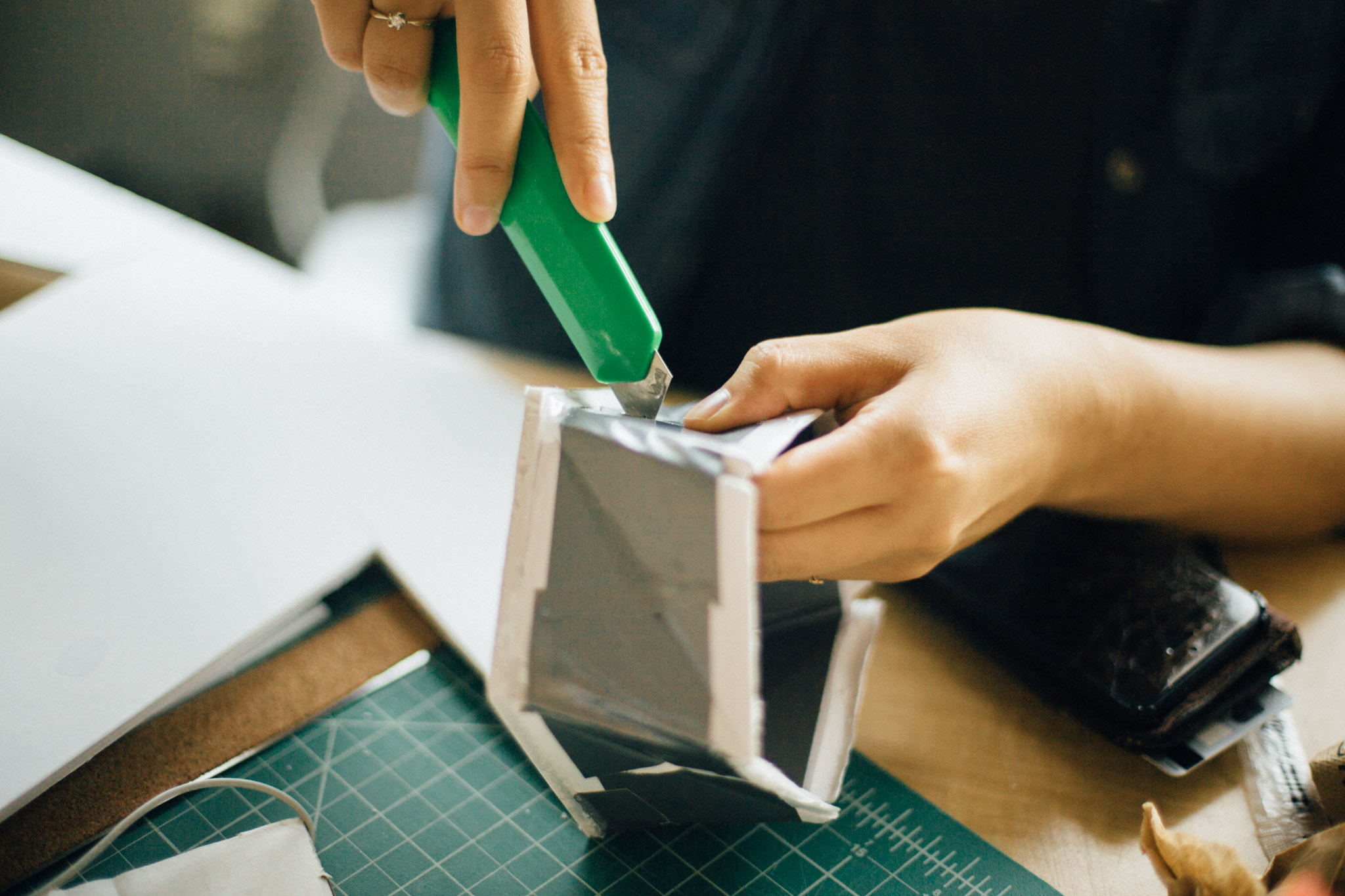
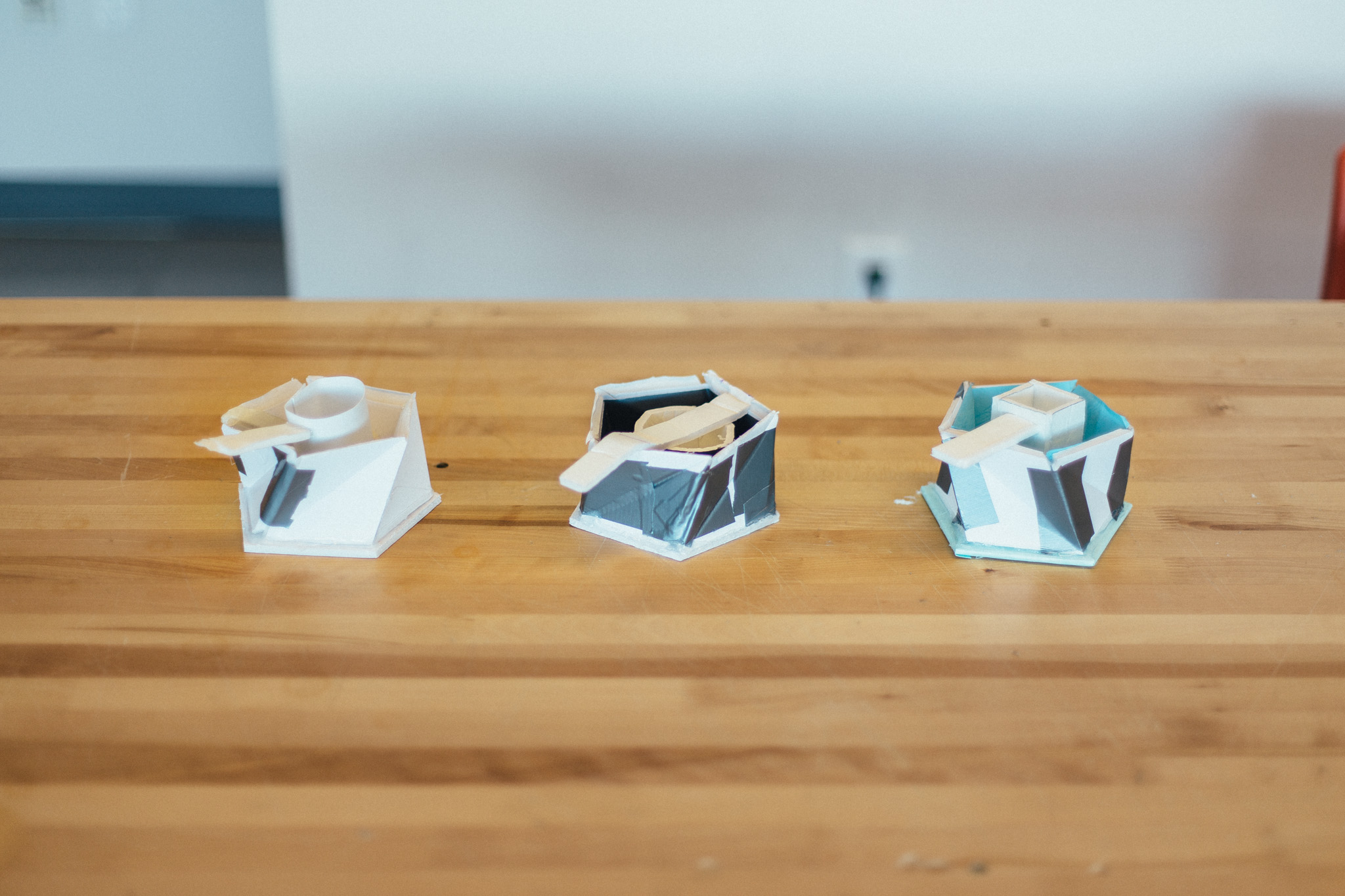
We then tested different materials to make moulds out of – to see how they would affect the finish of the concrete.

blogphotos-012blogphotos-015blogphotos-018blogphotos-019blogphotos-010

After many trials – and even more errors – we felt confident enough to make our final form out of concrete (also we only had enough concrete mix for one more form at this point)

blogphotos-022

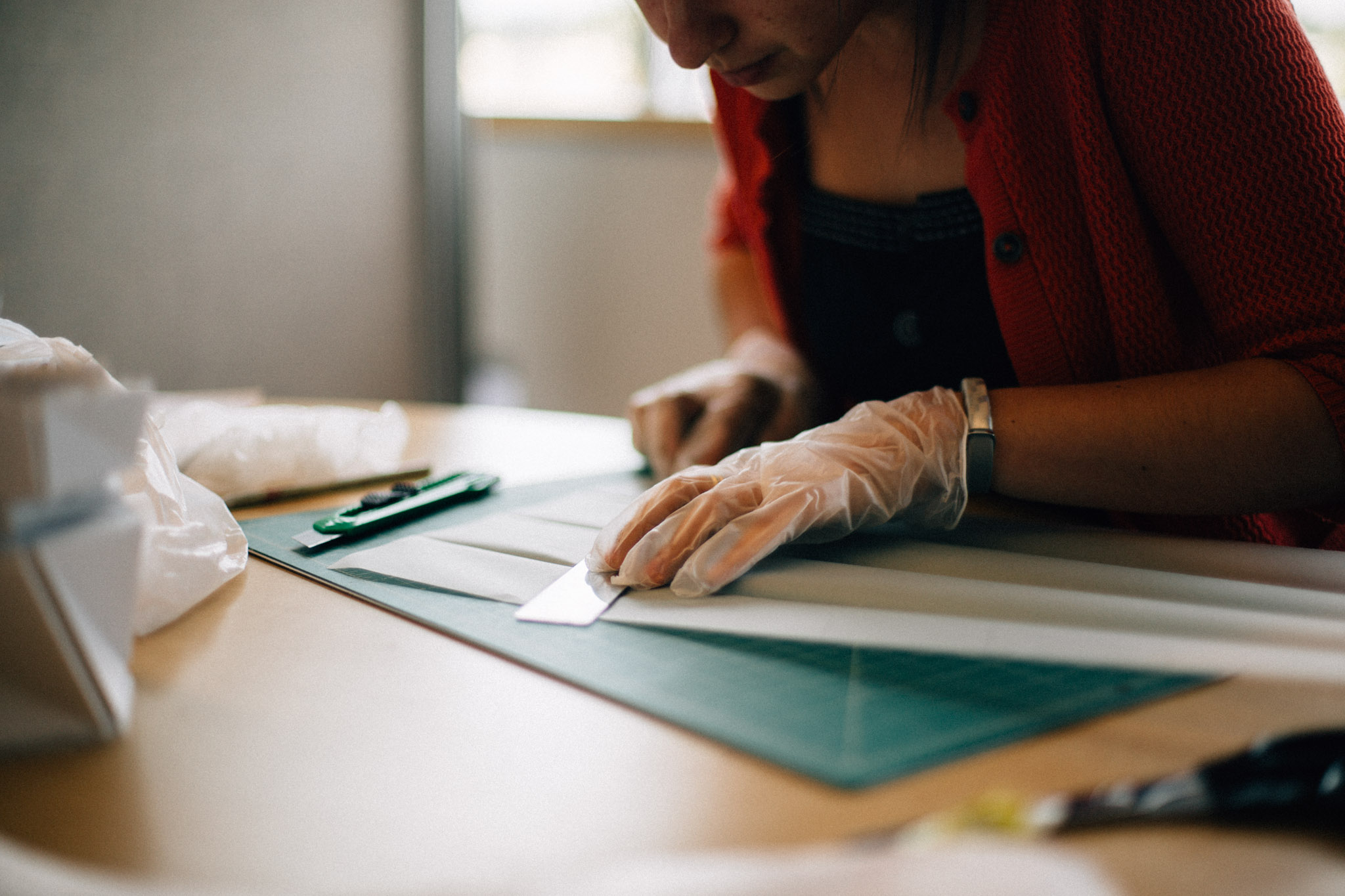
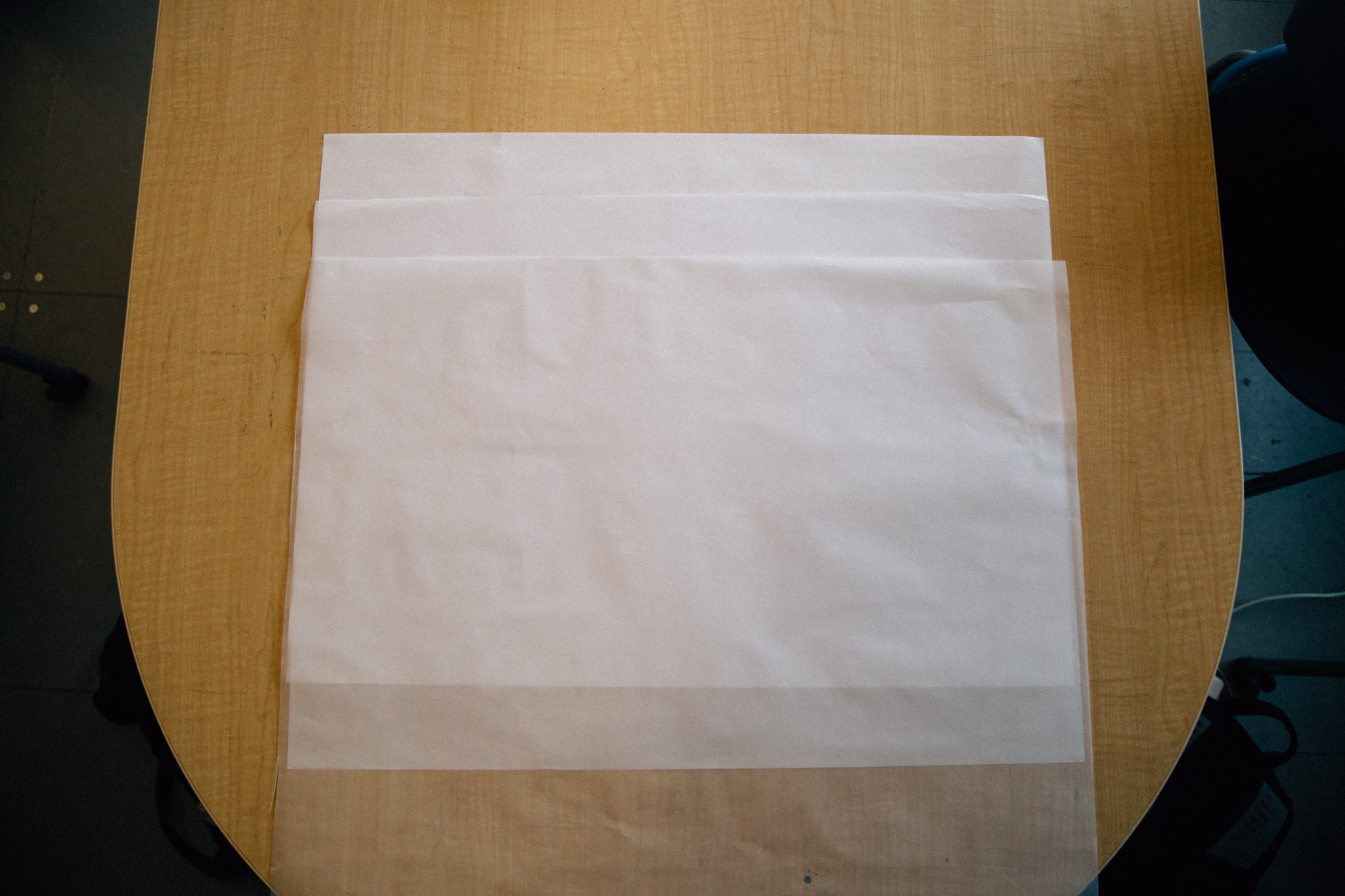
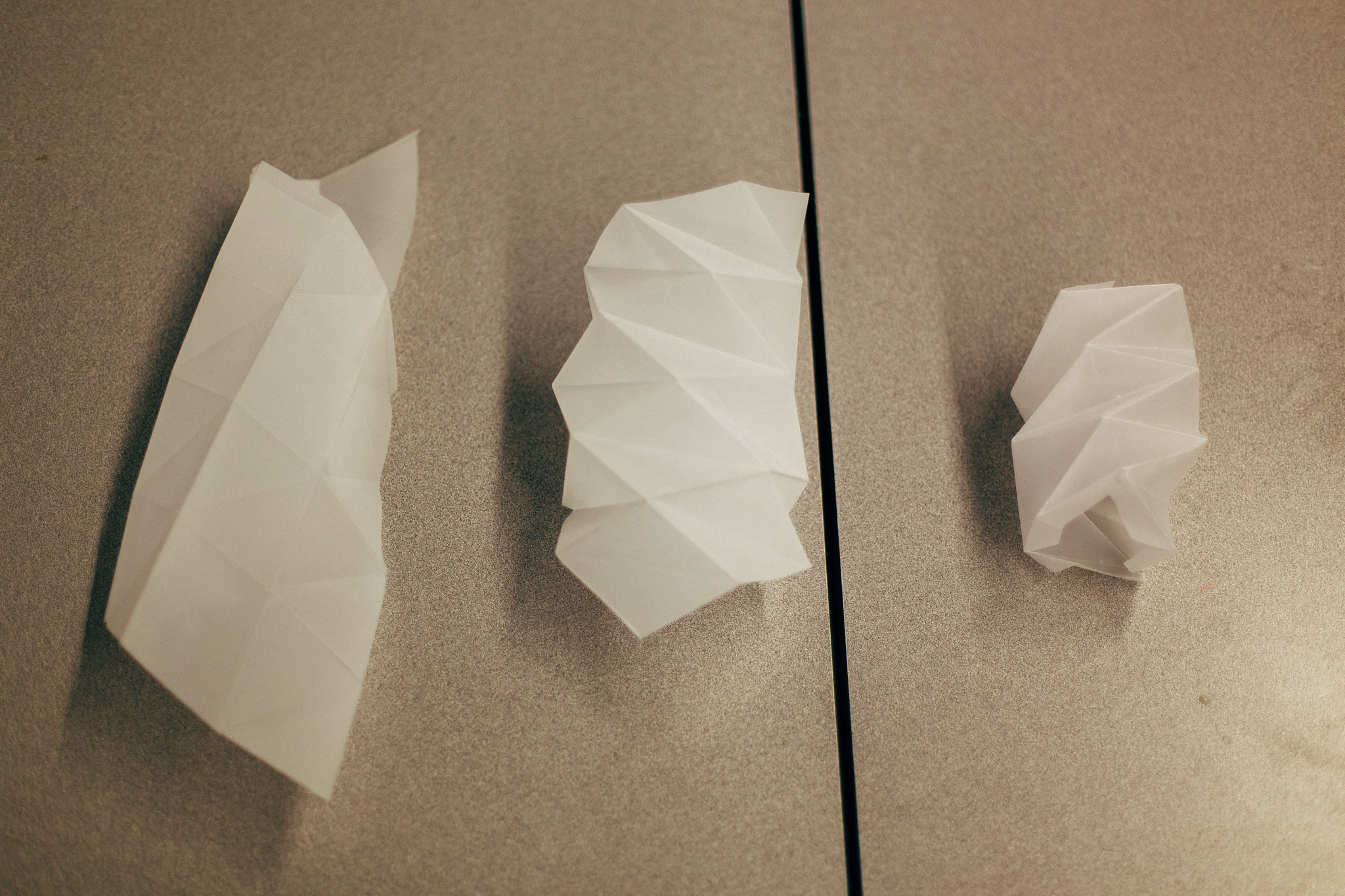
In addition, we had to test different types of paper, to see how they would affect the structure of the form, and how they would affect the lighting. We tried different textures and thicknesses of vellum paper and Grafix draft paper. Folding this paper to make it work with our form was very difficult – as we learned – it was easy to rip and difficult to correct any mistakes.

blogphotos-027blogphotos-026 blogphotos-020blogphotos-021blogphotos-035

Further Prototype Iteration

Posted Leave a comment

After much discussion, ideation, and trial and error, we were able to create a prototype which fulfilled our form and function.

blogphotos-014

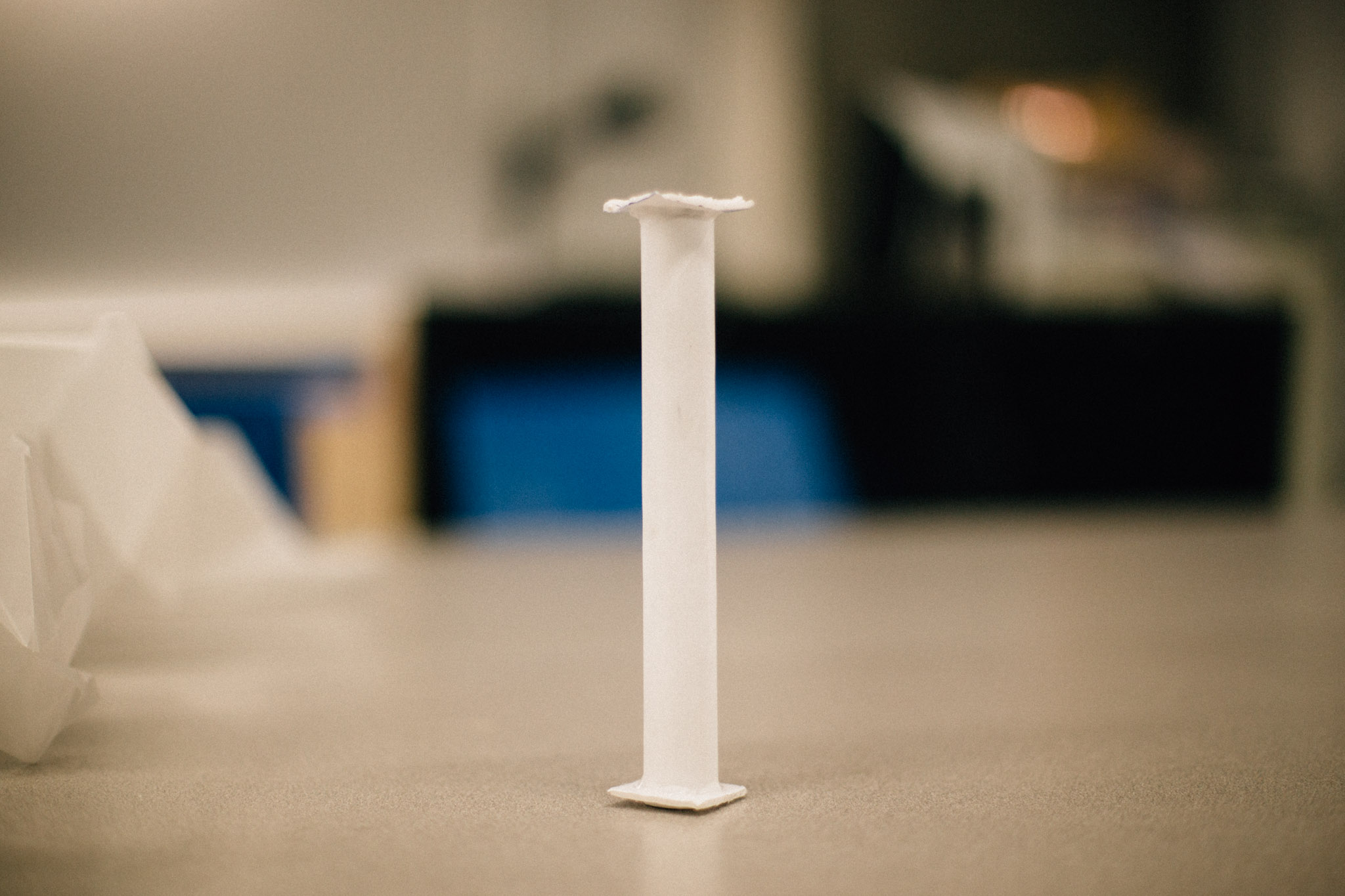
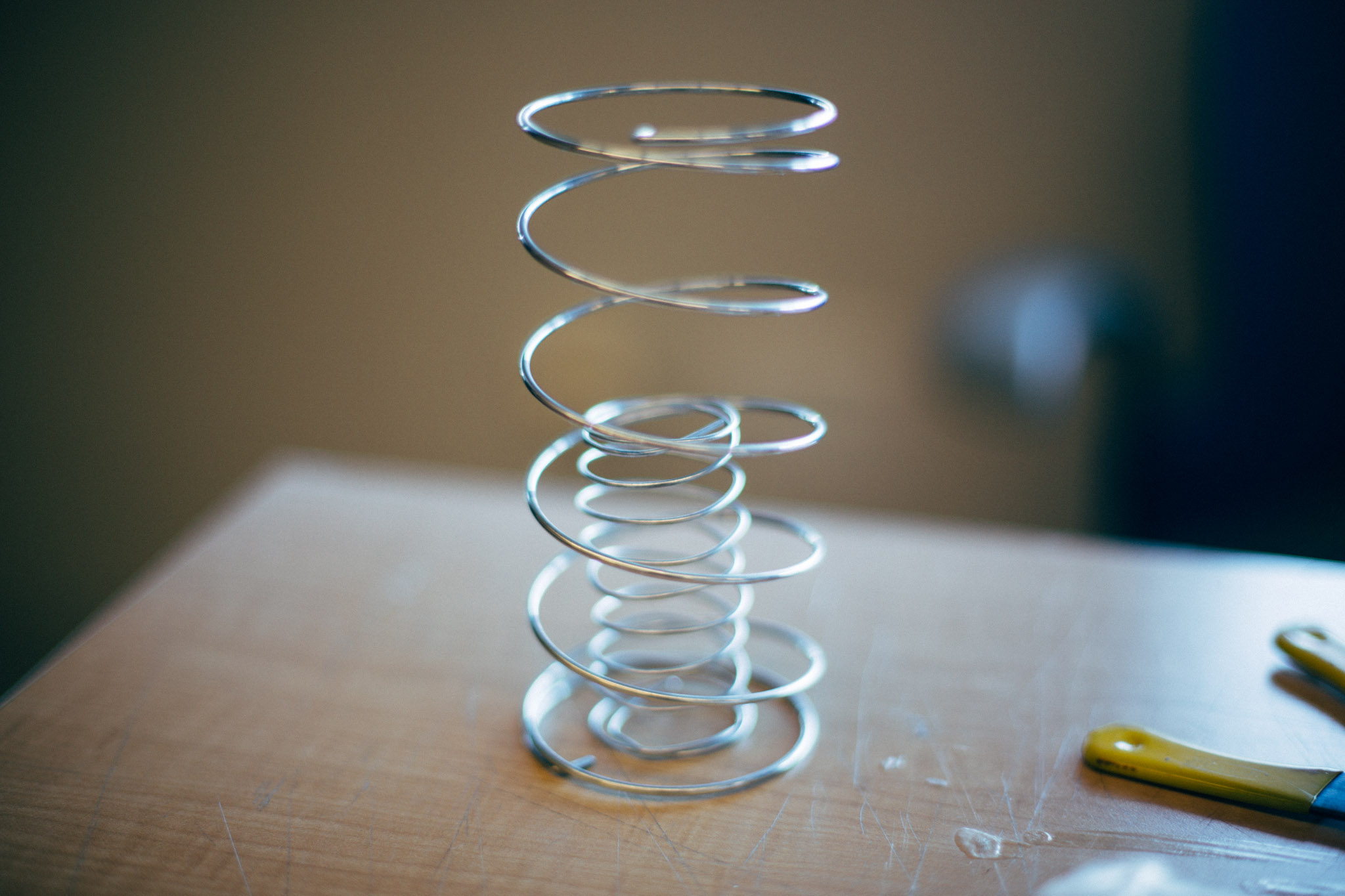
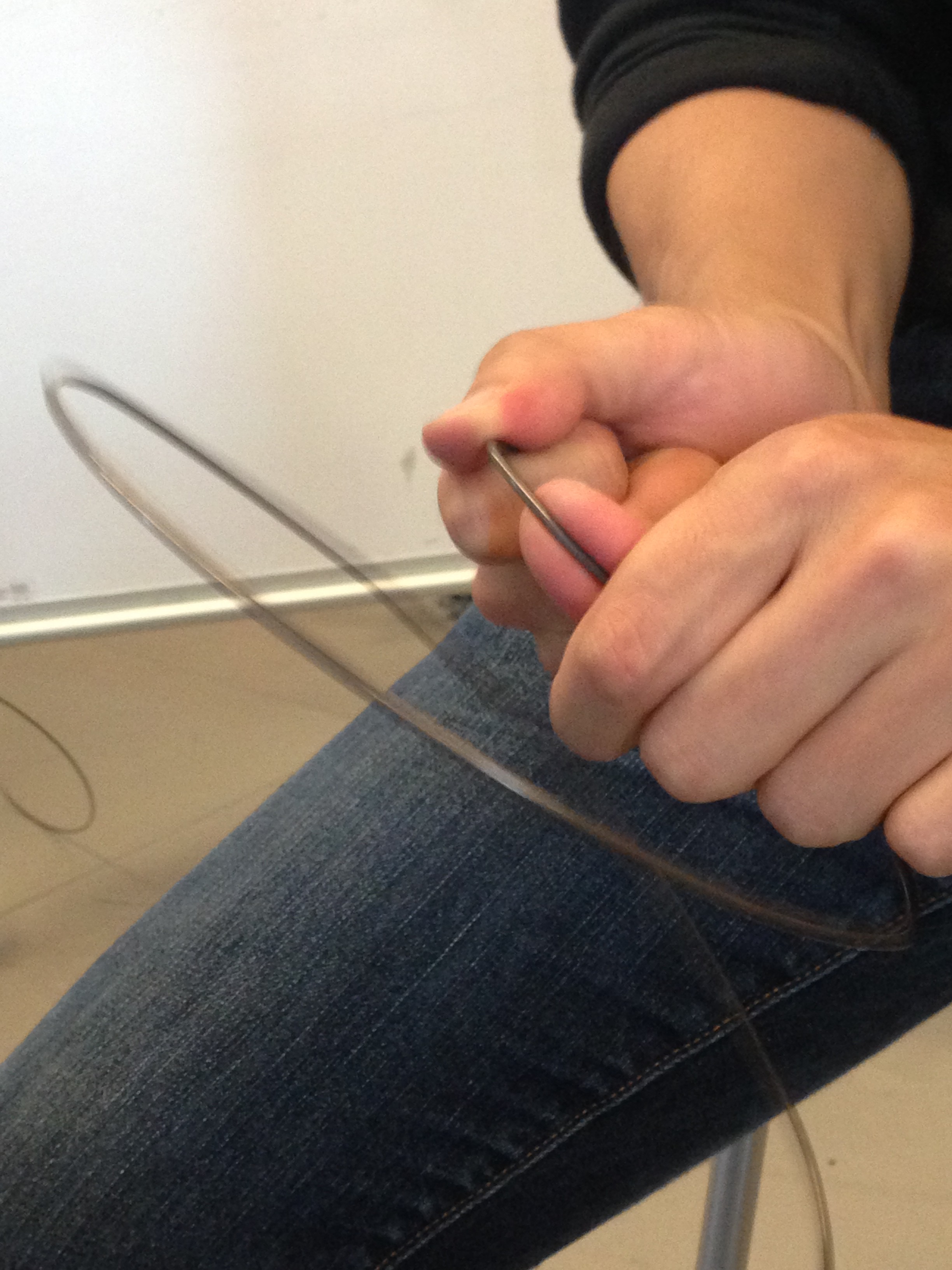
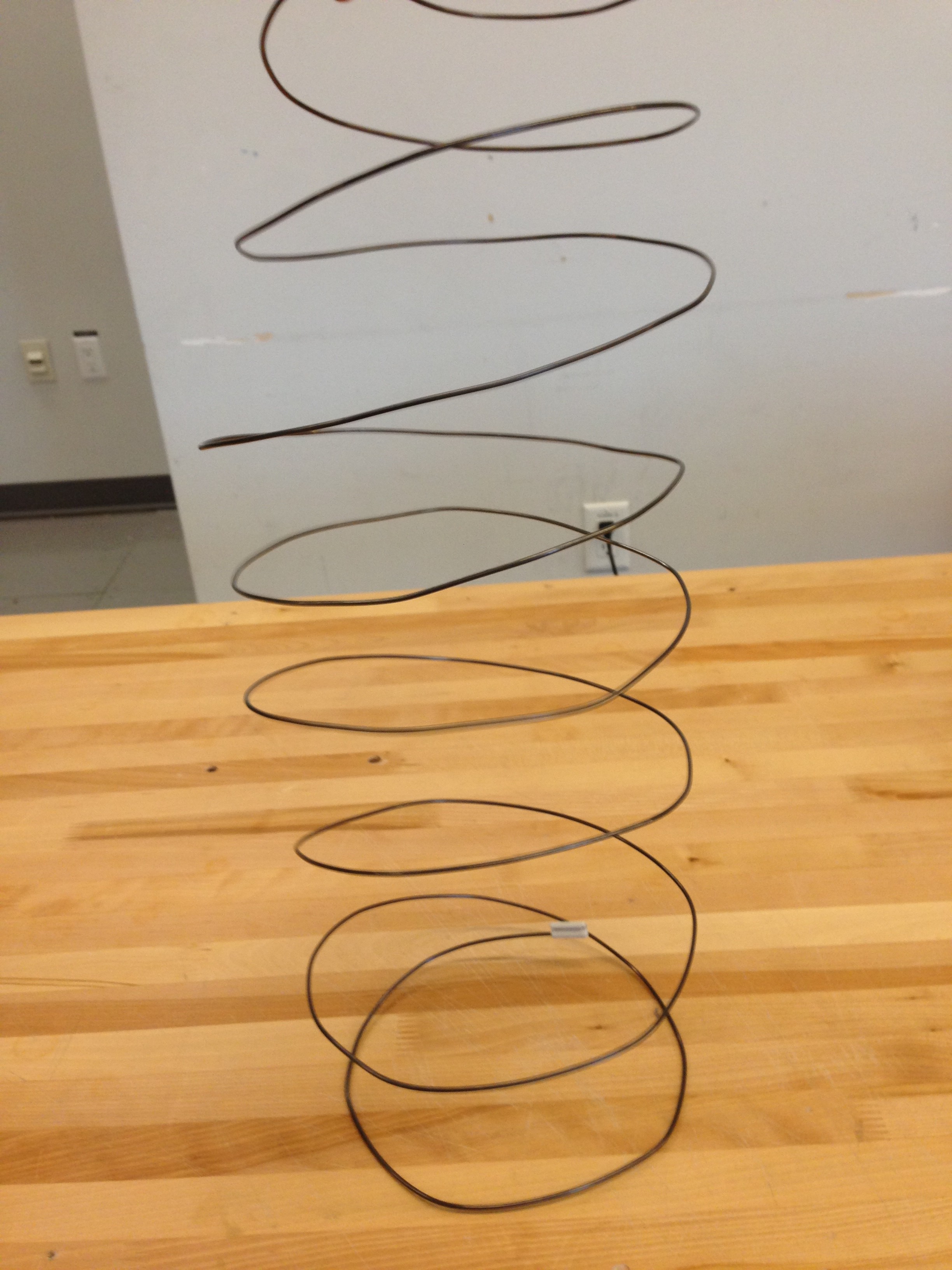
We fabricated our own custom spring from galvanized wire by wrapping it around a pvc pipe. The rest of the prototype was made from foamcore and paper.

blogphotos-006 blogphotos-009

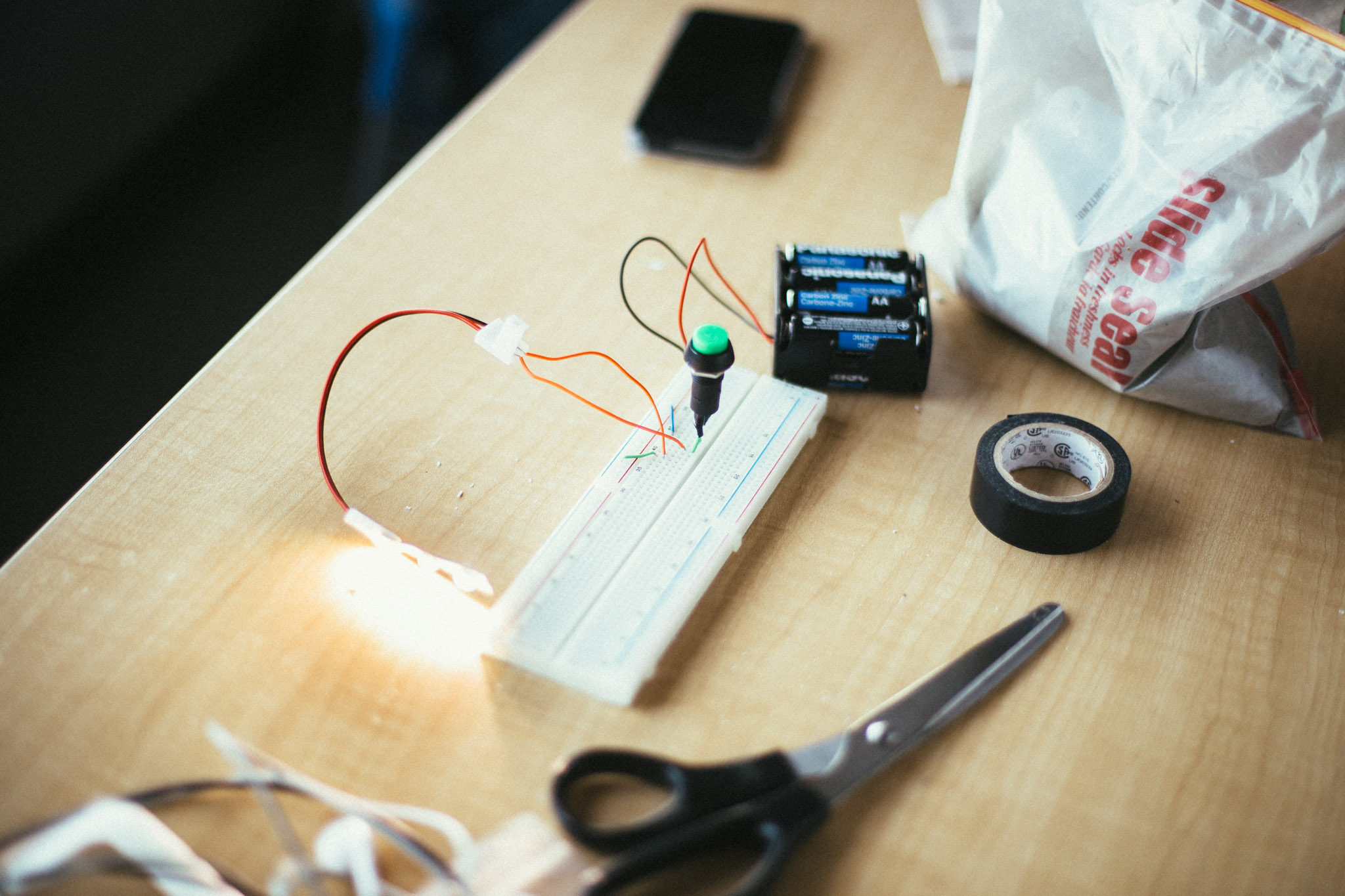
For the electronic parts of the prototype, the light was provided by an LED strip. We intended to have this LED strip be switched on and off by a push-button switch that would be pressed as the lamp is compressed – however, the first switch that we bought was faulty, and did not give us consisted results. Other than that slight drawback, our electronics were quite simple, power goes through the switch, into the LED strip, and back out to ground. Initially we thought of adding some more interesting effects via the use of Arduino, but we decided to focus on the physical interaction and form of our lamp as per advice given by the teaching staff.

blogphotos-013


Screen Shot 2015-08-04 at 1.16.53 PM

Prototype Fabrication

Posted Leave a comment

Continuing in our iterative design process, we tried a few different methods of actually being able to create the design that we had planned. Our sketches and ideas would mean nothing if we couldn’t manifest them into a physical prototype.

The interaction of folding and collapsing that we chose made us explore a multitude of different and creative solutions to try and achieve our vision. It turned out to be a little more difficult than expected.

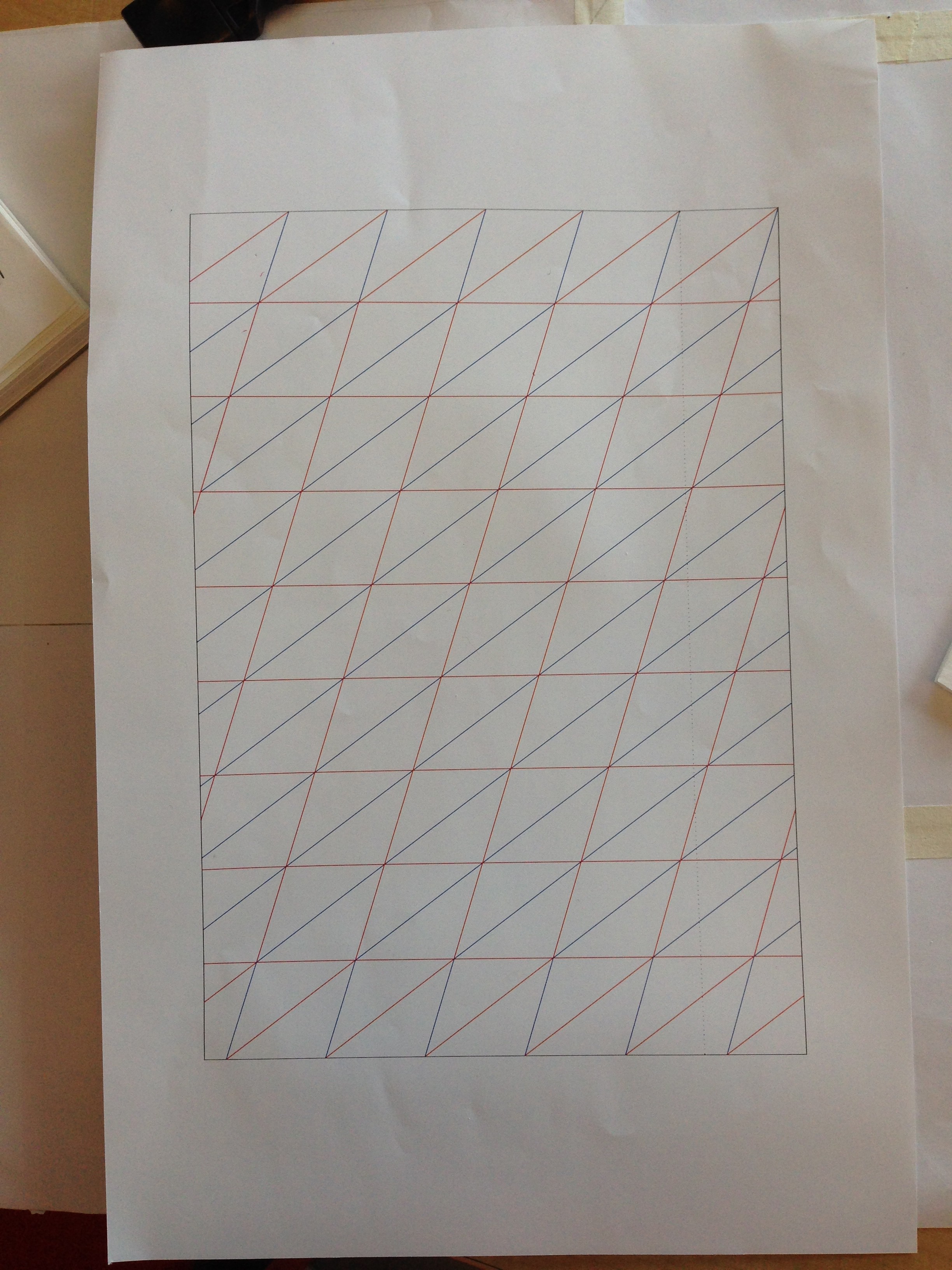
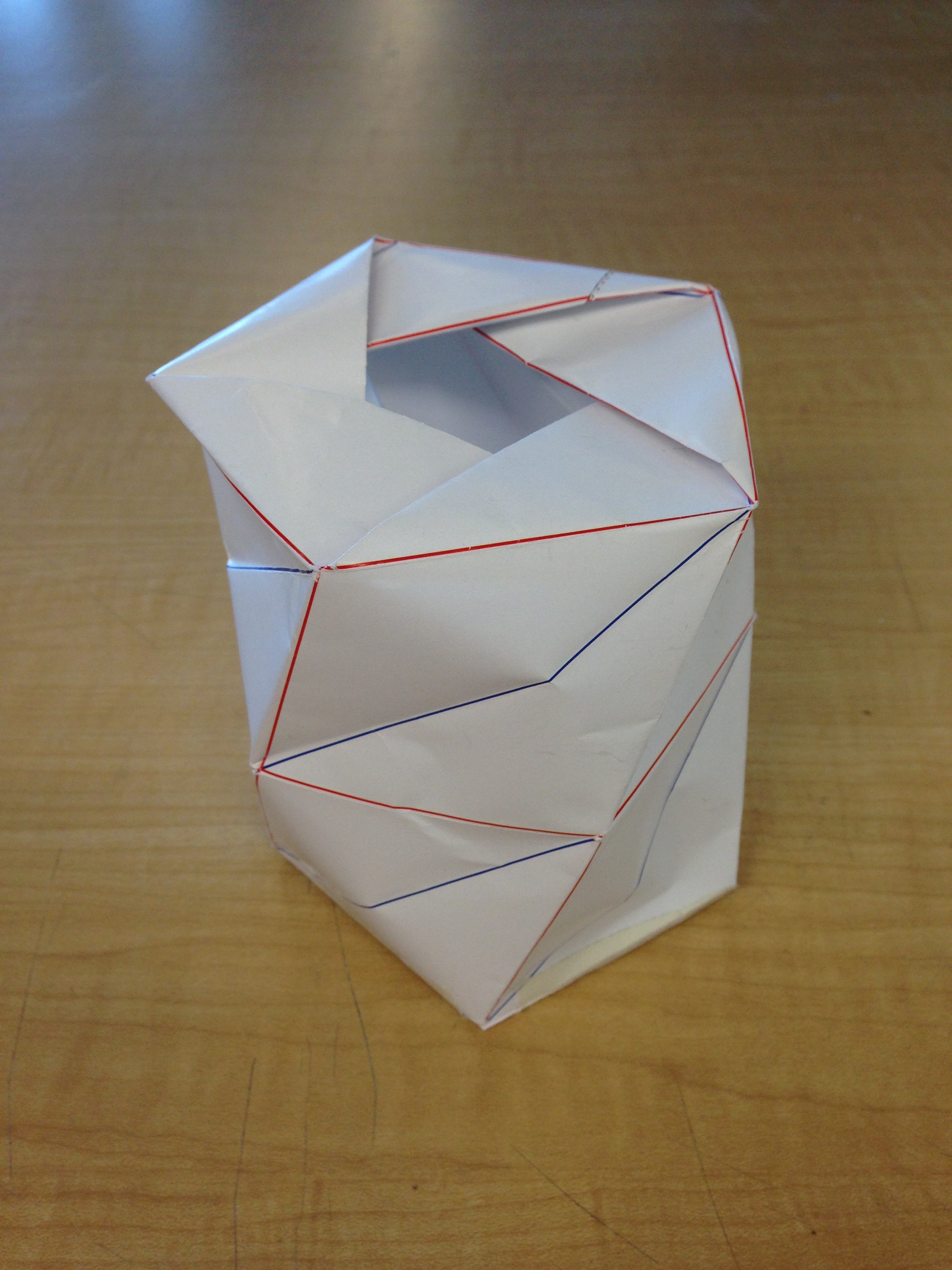
We were able to find inspiration from paper folding patters, and were also able to create a folded paper form that we were satisfied with.

IMG_7511 IMG_7515

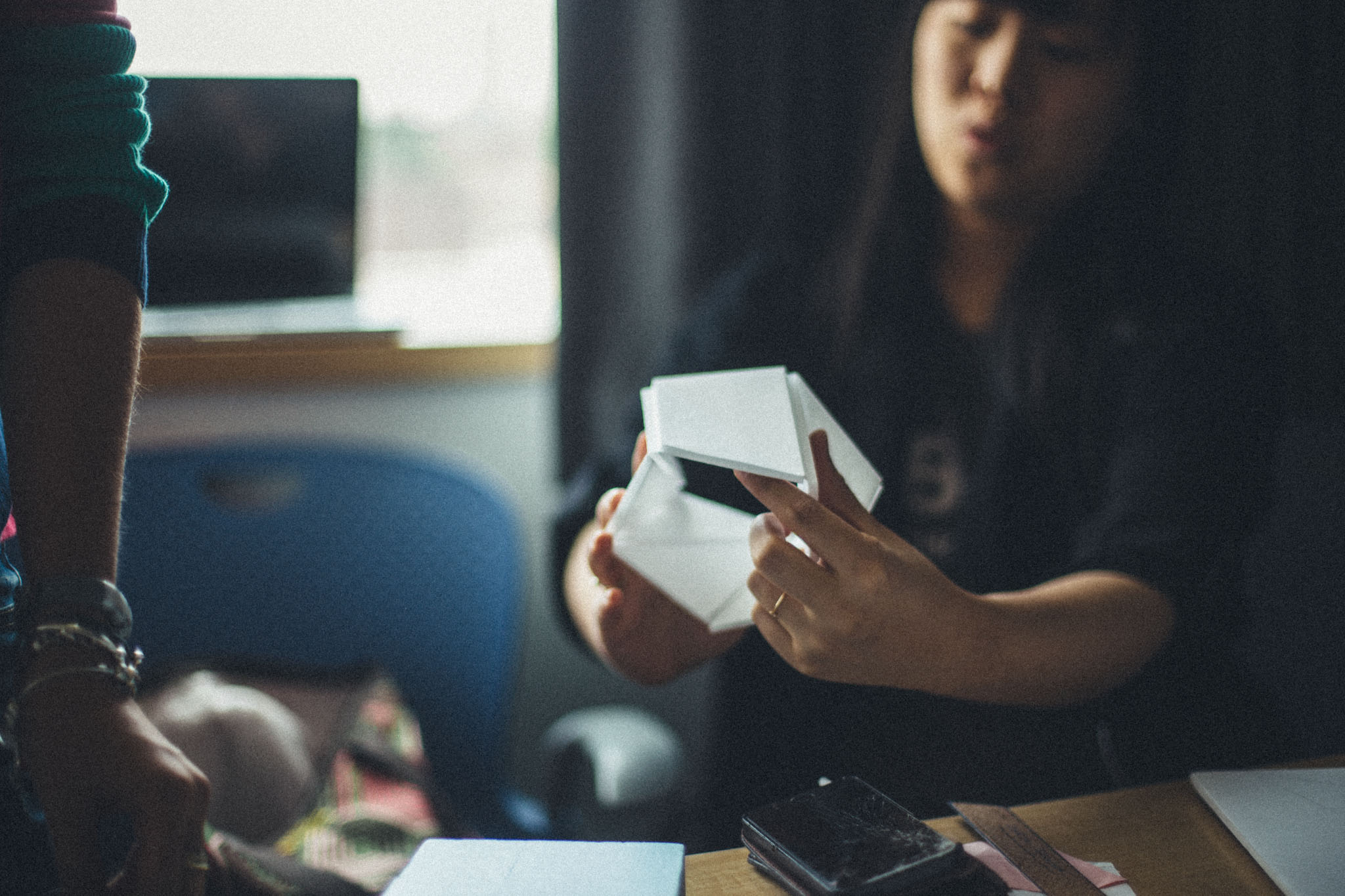
The next and biggest challenge was to create a mechanism for the lamp to collapse and return back to it’s normal position. We attempted looking for springs, latching mechanisms, existing folding lantern mechanisms, laundry hamper mechanisms, and eventually we tried to create our own spring.

IMG_7445 IMG_7447

Eventually we were able to create a prototype that functioned in the way that we intended – however, the physical attributes and aesthetic of the model was not how we had envisioned.

blogphotos-001 blogphotos-002

So, we created another prototype which showed our intended physical design.

blogphotos-003

The next step was to somehow combine the function of the first model with the form of the second model.

Continuation: Iterate, iterate, iterate

Posted Leave a comment

After receiving critical feedback from our professor, we decided that the idea we felt had the most potential was the model that utilized the art of paper folding.

With that specific design, the critique we received was:

  • the timer function doesn’t seem very viable
  • the mechanics seem very difficult to achieve
  • the folds hold a very nice aesthetic as it stays honest to the material and what it is capable of

With these comments in mind, we decided to further iterate on the original design.

Taking out the timer function, we decided to have the design aim to be solely a lamp. To make it a more unique and interesting idea, we aimed for a form that was not only aesthetically pleasing, but was also interesting to interact with.

A few ideas for the interaction that we considered for the on/off function:

  • Folding the lamp and having it bounce back to the full form
  • twisting the lamp
  • simple buttons and switches

IMG_7442IMG_7443

We also played around with many different sizes

In the end, for this week, we decided to go with a design that utilized the aesthetic beauty of the intricate paper folds, while playing with the juxtaposition of materials.

Concrete is a material that is known for its rigidity. It is often used as structural support, nearly always opaque, and gives off an industrial look. In comparison, paper gives a more organic aesthetic and can range from a variety of transparencies and flexibilities.

With these contrasting materials, we created a lamp playing with this juxtaposition. This lamp is a balance of rigid and soft; light and dark.
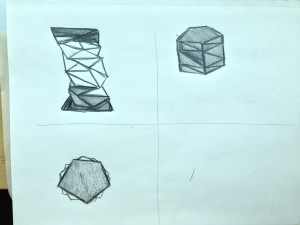
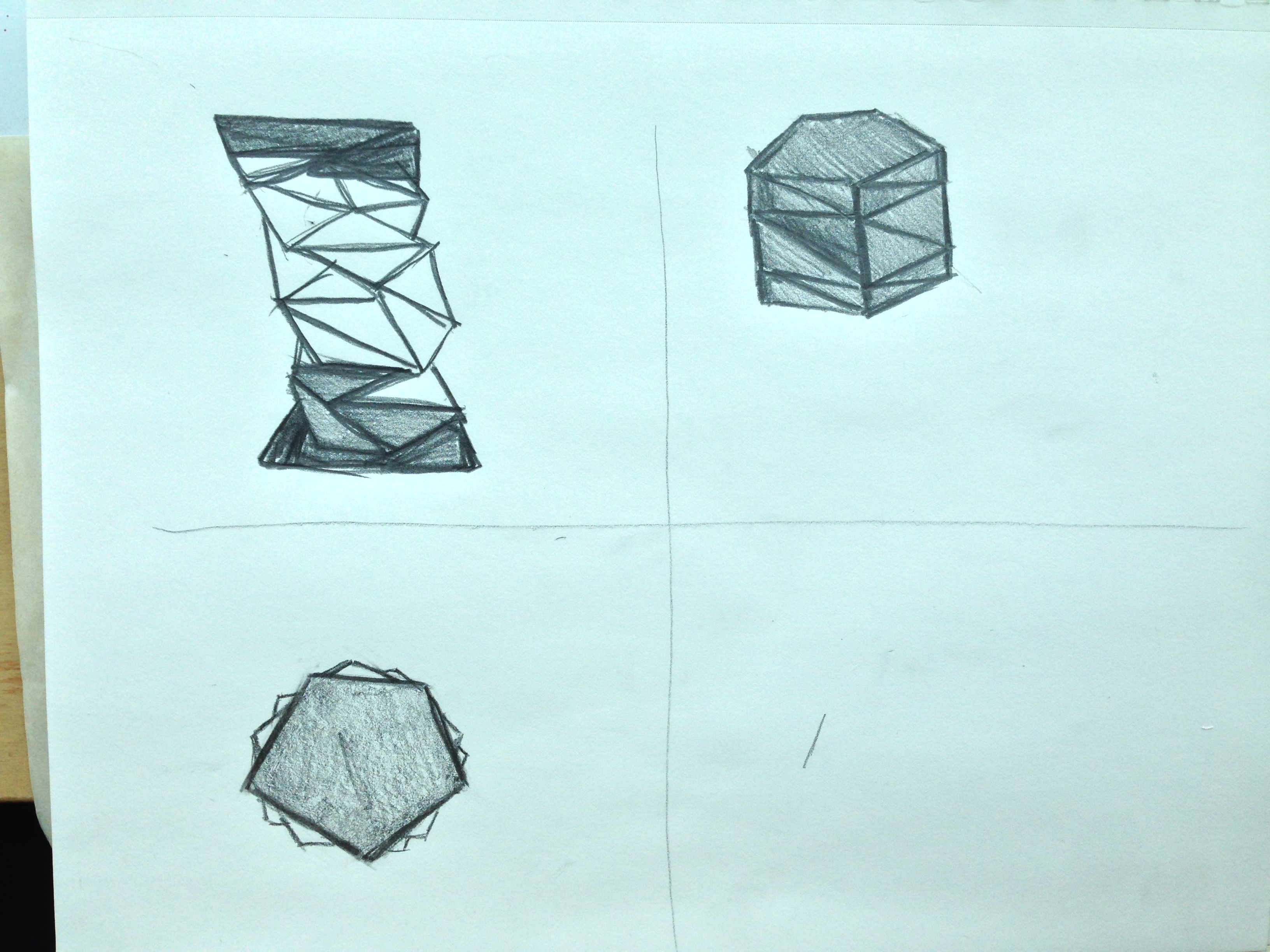
IMG_7533


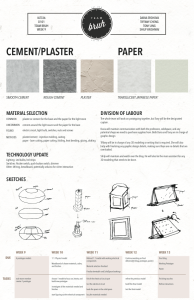
Materials Research

Posted Leave a comment

Next in the process, we were assigned materials to work with – also assigned by a lottery process.
We received:

Primary Material: Concrete/Plaster
Secondary Material: Paper/Card

Along with our low fidelity prototypes, we conducted research on these materials to better understand how to design with them keeping our context in mind

Screen Shot 2015-08-04 at 11.22.08 AM

Brainstorming & Low Fidelity Prototypes

Posted Leave a comment

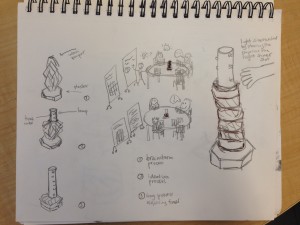
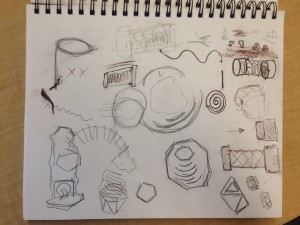
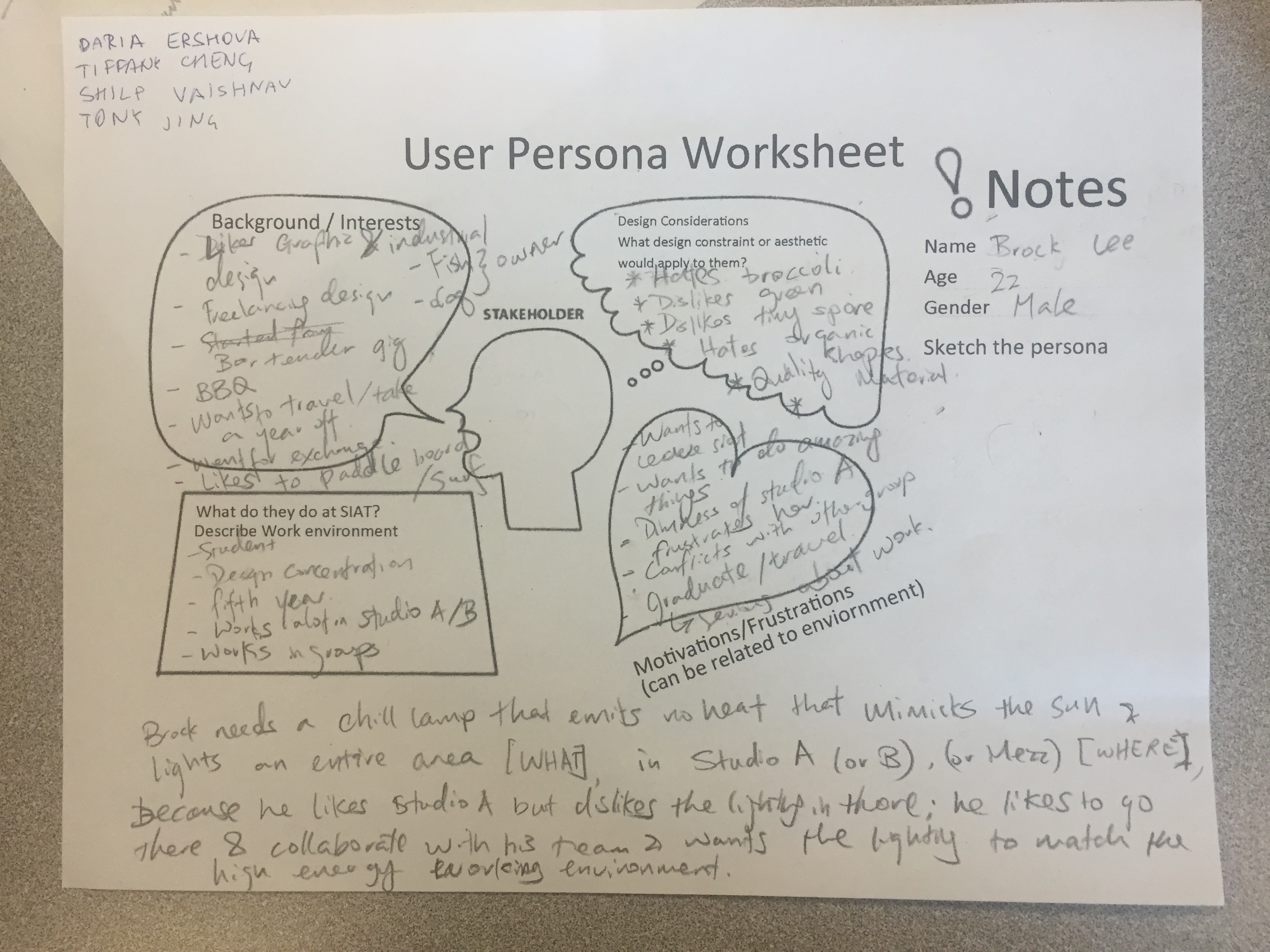
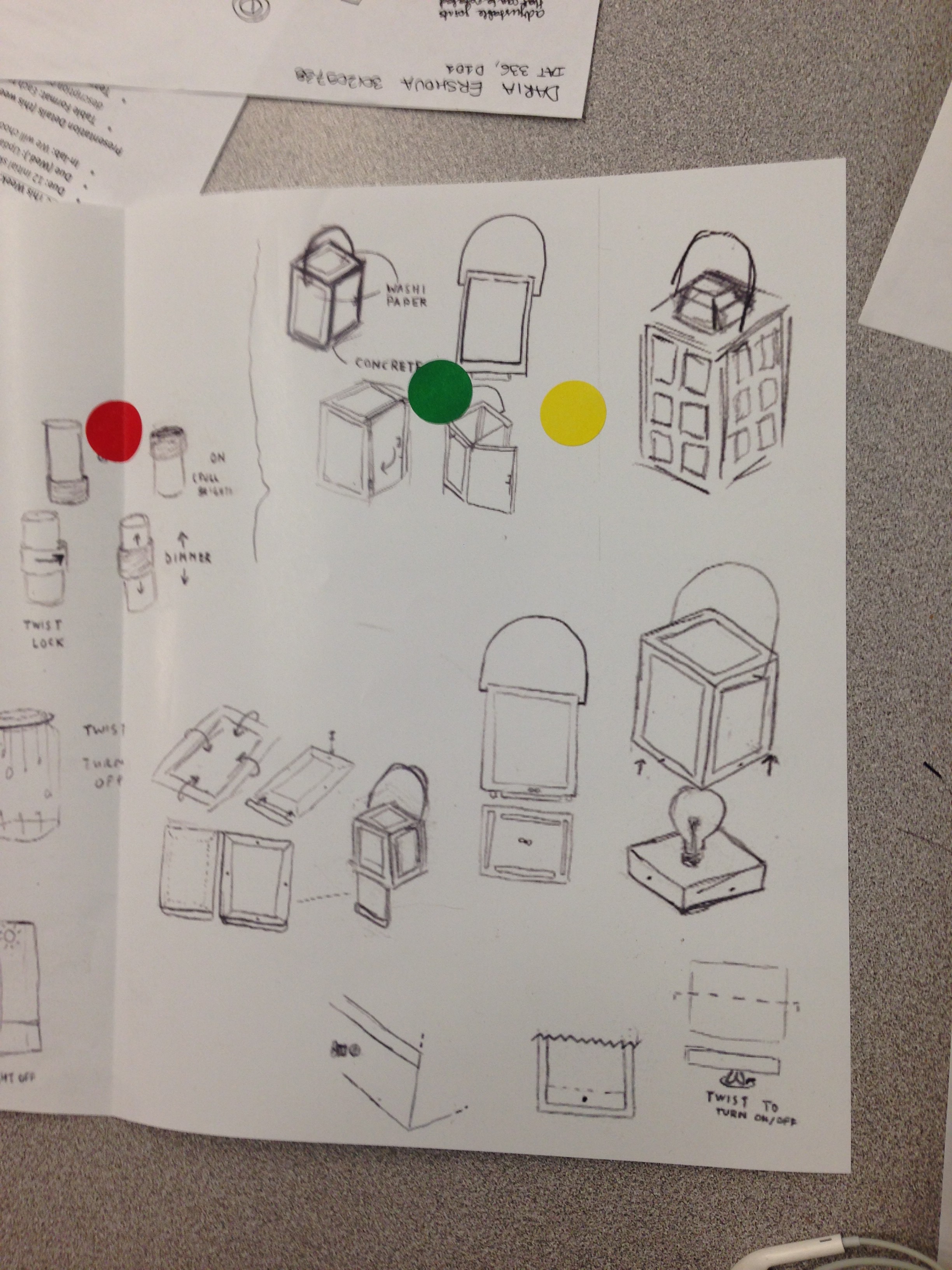
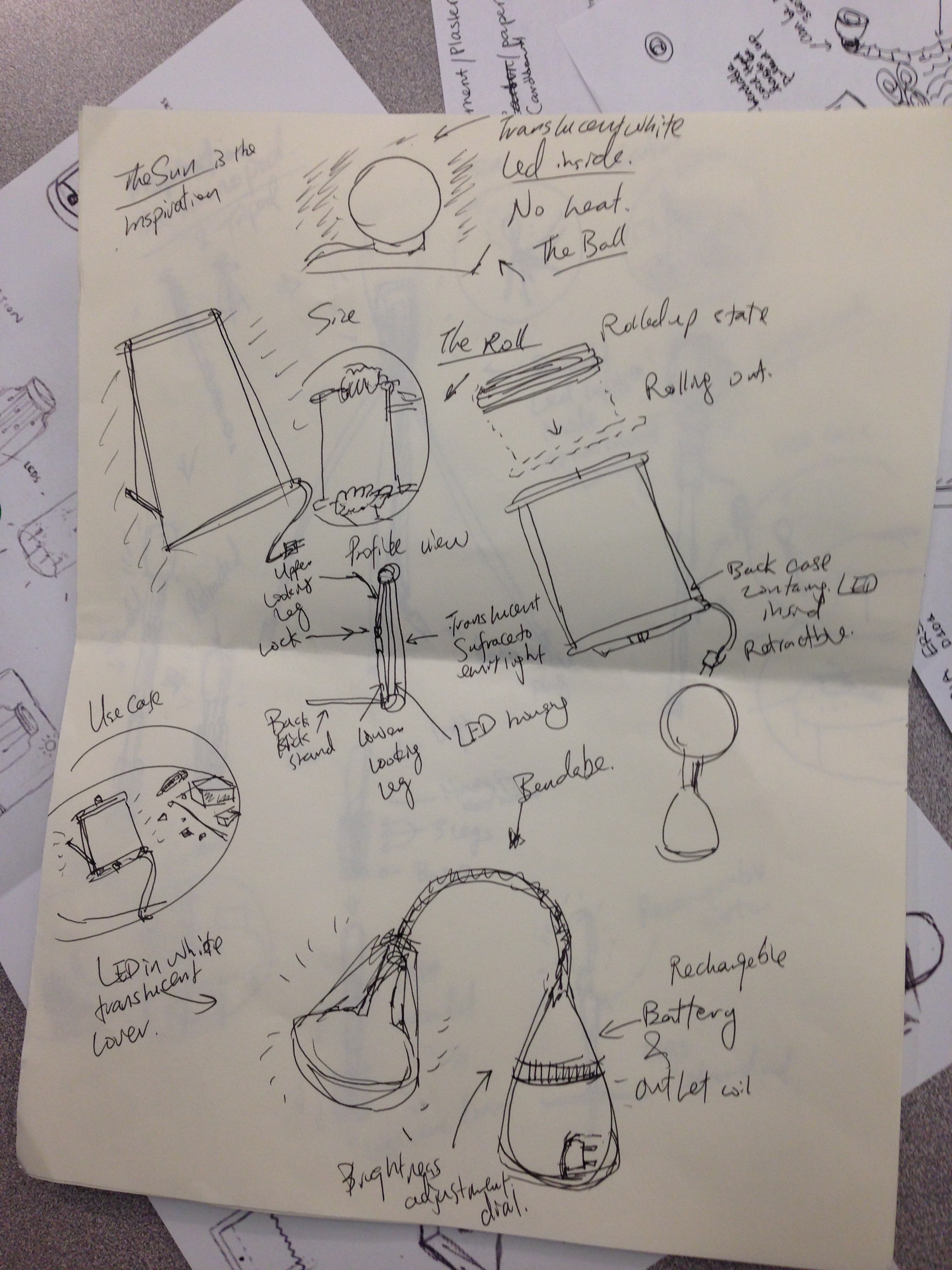
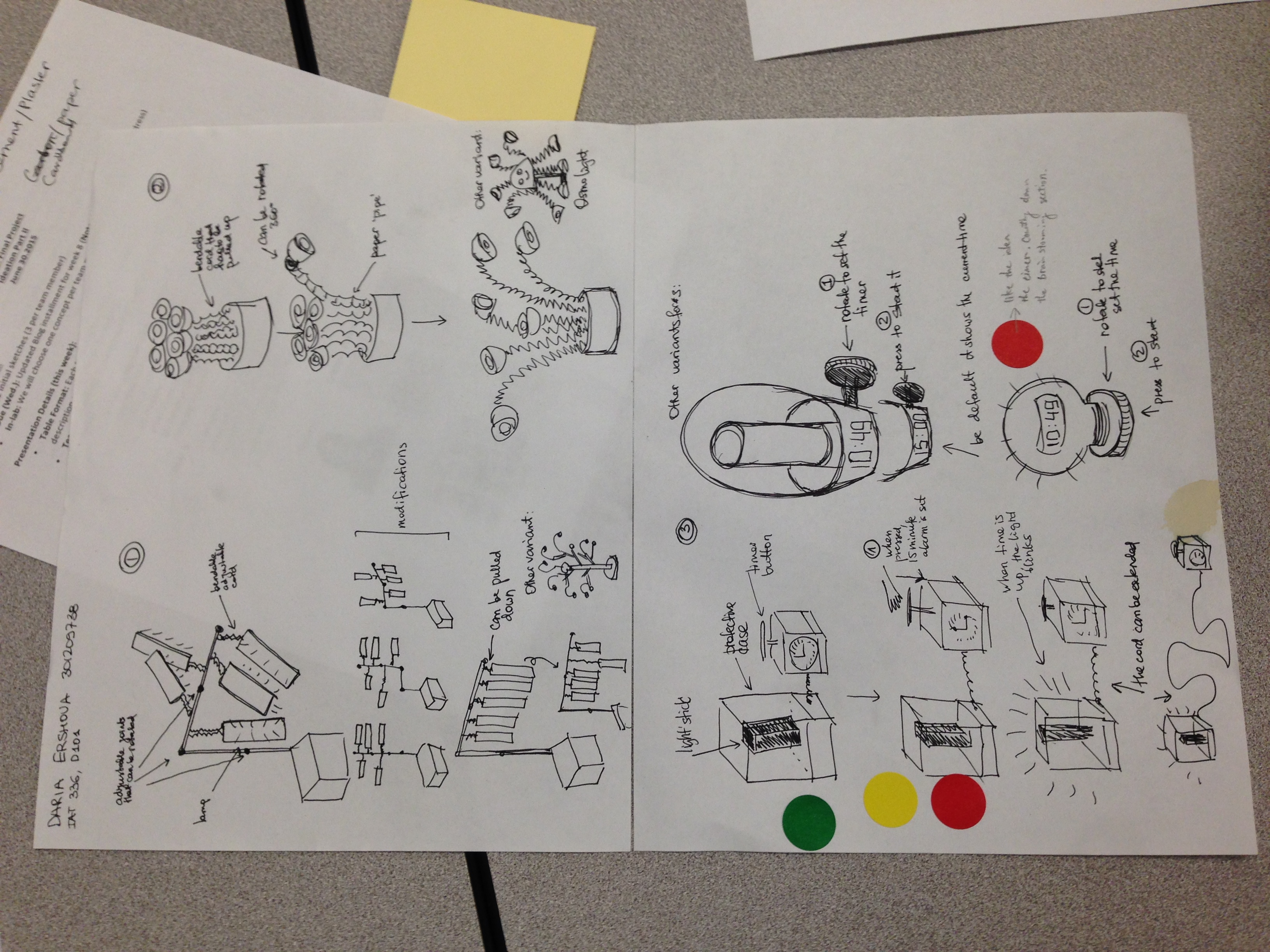
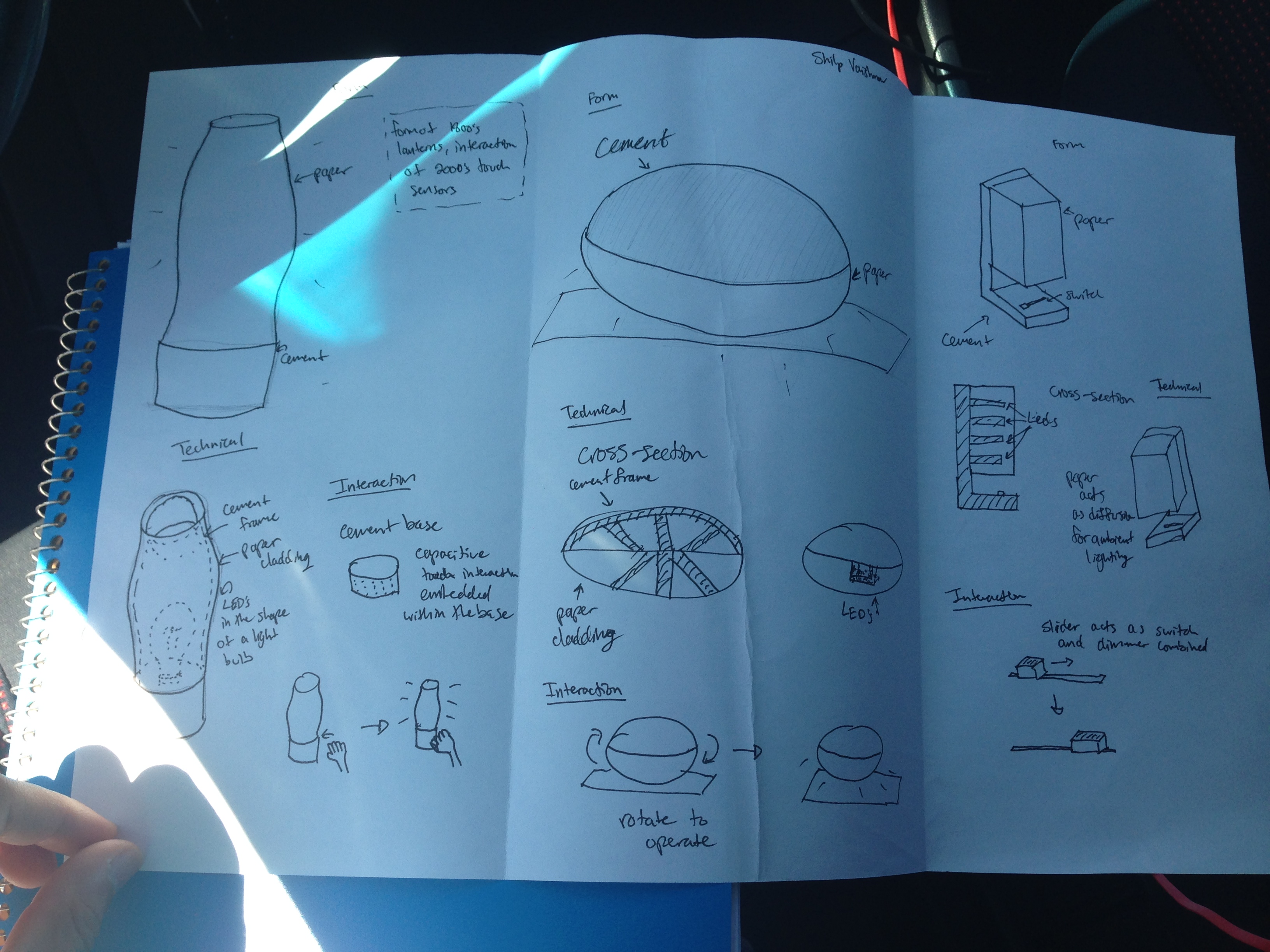
With the short amount of time we had for the iteration phase, we met up as a team and brainstormed as many ideas as possible. Each person was expected to bring a minimum of 4 sketches. Some took inspiration from classical lamp designs, while some ventured outside of the box and even utilized futuristic interactions. Below, are some of the sketches we came up with.

IMG_7103IMG_7104IMG_7102IMG_7101

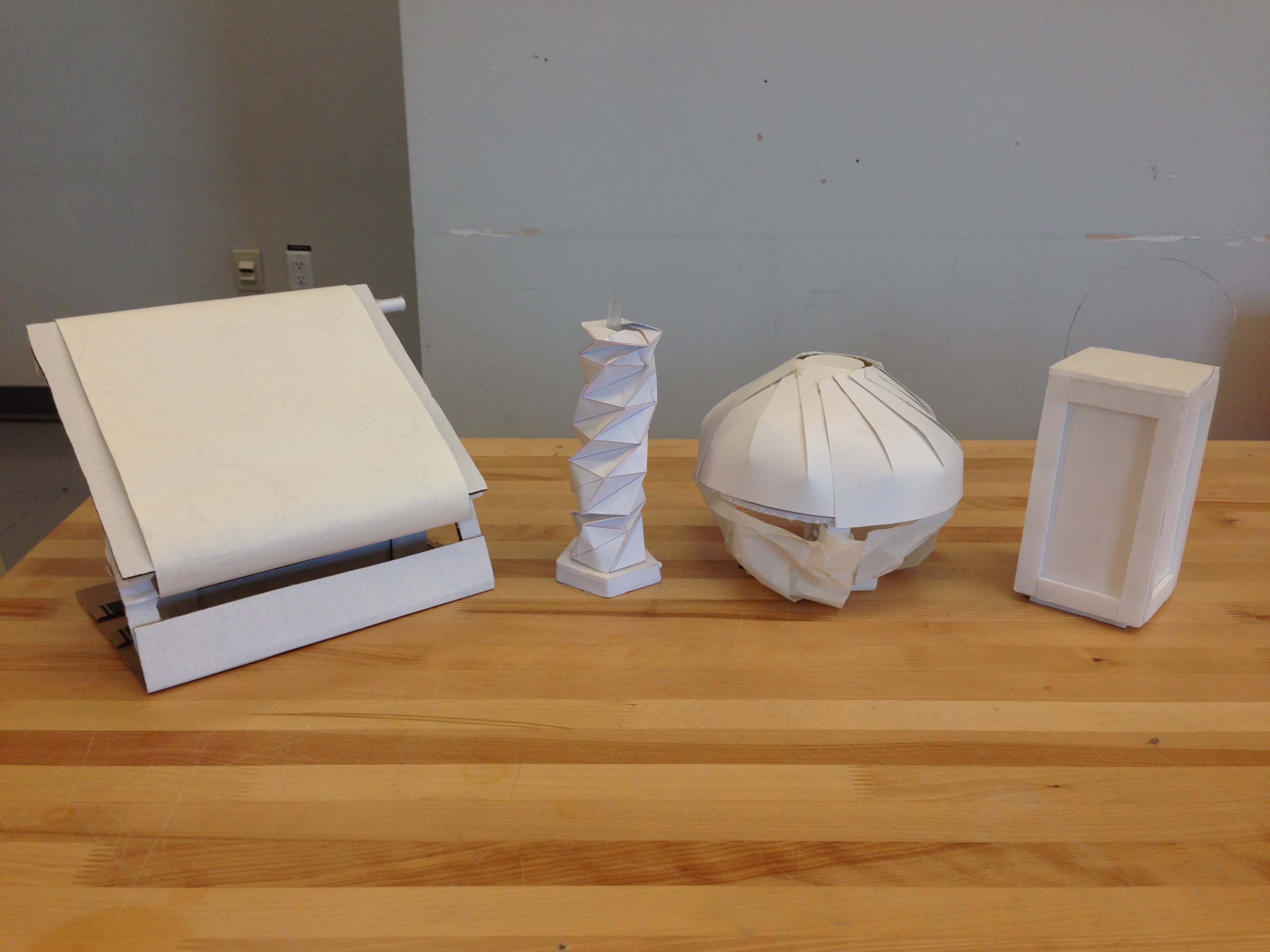
Taking four of our favourite ideas, we designed quick low-fidelity models to be critiqued and further iterated on.
The first is a lamp inspired by antique lanterns and the classic Japanese doors. Utilizing customization, the lantern has removable side panels where the user can replace the paper for different translucencies, colours, and/or patterns.
The second is a pattern made to be the ultimate companion for students. Not only does it provide light, it also has a paper surface that can be written on.
The third lamp was designed to work with the environment students study in. With it’s spherical shape, it can be flipped on either it’s concrete side or paper side, depending on what kind of lighting is desired.
The final lamp played with the art of paper folding. With it’s symmetrical but intricate design, this lamp was designed as both a lamp and timer. As design students, we often spend short spurts of time in certain design phases. Although it can act as a normal lamp, by interacting with the controls, it can be transformed into a timer that will slowly shrink, eventually turning off, as the time runs out.

IMG_7441

Initial Research

Posted Leave a comment

To begin the process of designing our final project, we conducted research in the domain of lighting to get a better understanding of the context that we were going to be designing in. We were assigned an era through a lottery – we received the 1950’s-2000’s.

Through our research we found many similar patterns in the design of lamps in this era. A lot of the materials, interactions, technologies, and aesthetic properties from this era have carried through to the present day – and are visible in lamps that we encounter in our day to day lives.

Some interesting features that stood out to us were the inventions of new interactions, such as dimmers and capacitive touch sensors. This inspired us to focus heavily on creating a unique interaction for our own design in the weeks to come.

Screen Shot 2015-08-04 at 11.04.46 AM

Design Brief

Posted Leave a comment

For this project, we have been given a brief:

The university is currently studying lighting resources on the Surrey Campus. Primarily, they are interested in promoting the use of personal lighting to students, faculty, or staff who work on the to mitigate the use of energy consumption (fluorescent lights) and to improve the work/learning environment of the user.

In addition, we have been given some constraints:

Your team challenge is to conceptualize, design and fabricate a personal lamp that must embrace the following criteria:

1) It must be powerful enough to allow reading a book with no other light (ambient or directed)
2) It must function (light up) and be turned on and off at minimum3) The lamp must be adjustable to focus direct light on two axes
4) The lamp can be attached or clamped to surfaces e.g. desk, sit on a surface or hang. NOTE: it can NOT be worn on the body.
5) It can draw off household current or battery.
6) The university also requests that the form factor is portable and can be relocation easily.